I am preparing exciting & extraordinary art for your eyes.
Launching in
Follow Us
Sign Up
Be the first to know about the latest updates and get exclusive offer on our grand opening.
Hello again I am Gnosis
Experience Extraordinary
The United States has a deep fascination with buildings—none more iconic than New York City, a skyline recognized across the world. These towers rise not just as architecture, but as statements of human resolve. At their core are steel beams—unseen yet essential—without which no city could ever conquer the sky.
Steel is the lifeblood of New York. It runs through its structures the way blood runs through the human body: invisible, vital, unwavering. It carries weight, absorbs strain, and stands firm through time, storms, and history. This is why New York endures.
There is a raw simplicity to this strength. The exposed beams, the skeletal frames, the honest geometry of construction—this is beauty without excess. Steel becomes a humble artistic medium, not shaped for decoration, but for purpose. And in that purpose, it becomes art.
New York’s skyline is not just built—it is forged. Each beam represents ambition, labor, sacrifice, and belief. It is the physical expression of endurance, resilience, and collective effort.
Enjoy what the world has been built on.
Enjoy the strength beneath the surface.
Enjoy the steel, the simplicity, the honesty.
The lamp steel art represents two elemental forces united as one story: the Survivor Tree and the steel of New York City.
In nature, a tree is one of the most profound symbols of endurance. Given time and purpose, it can break rock, stone, even marble—not through aggression, but through persistence. Root by root, it pushes upward, driven by an instinct older than memory: the will to live, to rise, to flourish despite every obstacle placed in its path. Storms may bend it, hardship may scar it, yet it continues. This is perseverance in its purest form.
The Survivor Tree embodies that truth. It represents the quiet, relentless force of life—an intensity that does not demand attention, yet cannot be stopped. It is patience, pressure, and belief fused together.
Entwined with this living force are the steel beams of New York City. Steel, like the tree, does not exist without hardship. It is forged through extreme heat, pressure, and resistance. When the two meet—tree and steel—they mirror one another. Root gripping beam. Branch pushing skyward. Nature and industry locked together in a shared struggle toward survival.
They grasp, entwine, and push forward—each refusing to yield. This fusion speaks of resilience, of life pressing onward through devastation, of strength reborn through suffering. It is not about domination, but about endurance. Not about conquest, but continuation. This artwork is a tribute to survival itself.
To the instinct to stand again.
To the desire to remain.
Life is the greatest gift—shared by humans, animals, and plants alike. To survive is to honour that gift. To continue is an act of courage. For New York City, this work stands as a dedication.
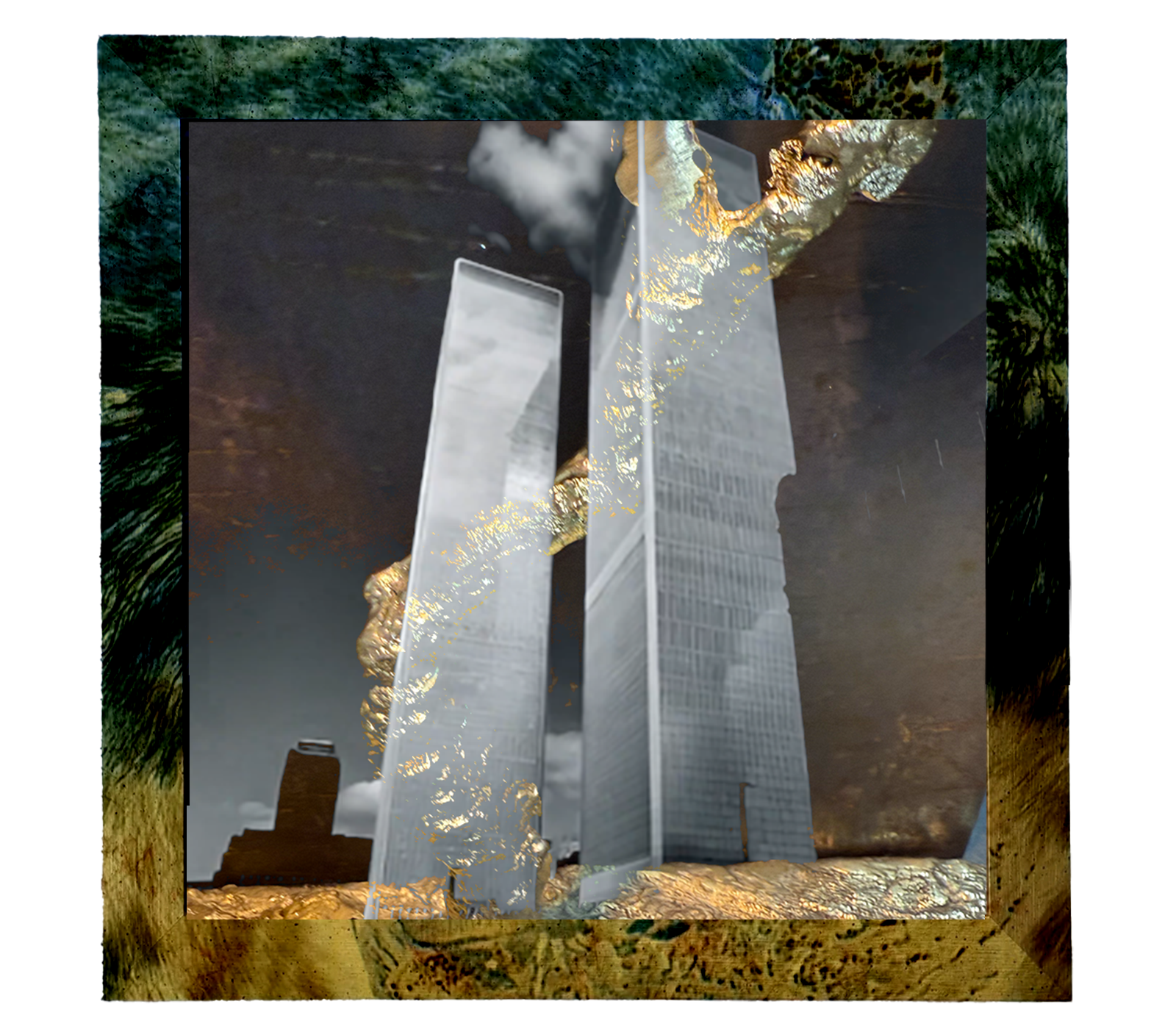
The Survivor Tree of the 9/11 attacks stands as far more than a living remnant of tragedy—it is a profound embodiment of the Tree of Life and the Tree of Knowledge, rooted deeply within human consciousness. It penetrates not only the soil beneath New York City, but the collective mind and soul of its people. It is a declaration etched into existence itself: we will not be erased, we will not be broken, and we will not allow the evils of this world to distort the serenity, dignity, and spirit of this city.
he tree’s survival is not accidental. It is symbolic. Scarred, burned, uprooted, yet replanted and reborn, it teaches that even after unspeakable loss, life chooses to continue. Its roots reach downward through grief, memory, and awareness, anchoring us to truth and consciousness. Its branches reach upward toward the skyline, not in defiance, but in honor—honor to those lost, to those who endured, and to those who continue.
The steel within this artwork mirrors the same philosophy. Steel represents endurance forged through fire, perseverance shaped by pressure, and strength born from resistance. Like the tree, steel does not exist without hardship. The beams that define New York City’s skyline are not merely architectural—they are veins, bones, and sinew. They carry the story of a city that rises again and again, no matter the weight placed upon it.
When the tree and steel are united, they become one language. Nature and industry. Life and structure. Growth and resilience. The tree pushes upward alongside the steel, climbing toward the sky as if guided by an invisible promise: we survive together. This fusion represents the infinite capability of the people of New York—their creativity, diversity, courage, and shared will to keep moving forward.
This artwork also honors the sacred presence of trees throughout the city—especially those of Central Park. At night, when the city quiets and consciousness drifts into dreams, these trees seem to whisper among themselves. Leaves speak softly in the breeze, carrying stories of centuries past and futures yet to come. They offer balance amid chaos, nature breathing within steel and stone. They remind us that serenity still exists, even in the world’s most dynamic metropolis.
The Survivor Tree is not alone. It stands in communion with every tree that shades New York’s streets, every root that breaks through pavement, every leaf that catches the light. Together, they form a living network of remembrance, hope, and quiet strength.
This artwork encapsulates that beauty—the reverence for nature, the respect foresilience, and the unity between life and structure. It is a meditation on survival, a monument to consciousness, and a love letter to New York City.
A city that remembers. A city that grows. A city that endures.
Very interesting—the art of Mark Piazza is rooted in origin, not trend. Here is the story.
At the very beginning of all creation, before form, before matter, before memory, there was force. Two forces. Two primal elements that give birth to everything we know as life. The first is light. The second is gold.
When a star reaches the end of its life, it does not fade quietly. It collapses inward under unimaginable pressure, gravity folding time and matter upon itself, until resistance is no longer possible. In that instant, the star becomes a supernova—an imploded explosion of infinite magnitude. From this collapse bursts radiant energy, rays of light traveling at the speed of light itself, or perhaps faster still—at the speed of consciousness. Instantaneous. Omnipresent. Like a mind awakening. Like God’s thought in motion.
This is not destruction. This is creation at its most violent and beautiful point.
From the heart of that supernova, extraordinary elements are born. Among them is gold—not organic to Earth, not native to our planet, not forged here. Gold is cosmic. It is celestial matter, carried across galaxies, drifting through the universe for billions of years before finally arriving on Earth. Every fragment of gold we hold is older than this world itself. It is stardust given weight. Light given form.
Gold does not tarnish because it remembers where it came from.
Light reflects upon gold in a way no other material can replicate. It absorbs illumination and returns it transformed—warmer, deeper, eternal. This relationship between light and gold is not accidental. It is alchemical. It is symbolic. It is sacred.
“Let there be light” is not just a sentence. It is a cosmic instruction.
In the artworks of Mark Piazza, these two elements—light and gold—are reunited. They are brought back together consciously, with intention, reverence, and restraint. His work does not imitate beauty; it reveals origin. The sculptures, the forms, the materials speak quietly yet profoundly of collapse and rebirth, of pressure giving rise to purity, of suffering refining value.
Gold represents permanence, incorruptibility, and truth. Light represents consciousness, awareness, and divine motion.
Together, they tell the story of everything.
This is why the work is not loud. Why it is not overstated. Why it is not everywhere. It is not meant to be consumed—it is meant to be witnessed. Seen in silence. Absorbed slowly. Understood when the viewer is ready.
These artworks are not objects. They are reminders.
Reminders that we come from stars.
That beauty is born through collapse.
That light precedes form.
That value is forged, not assigned. And that within every ending, something eternal is waiting to emerge.
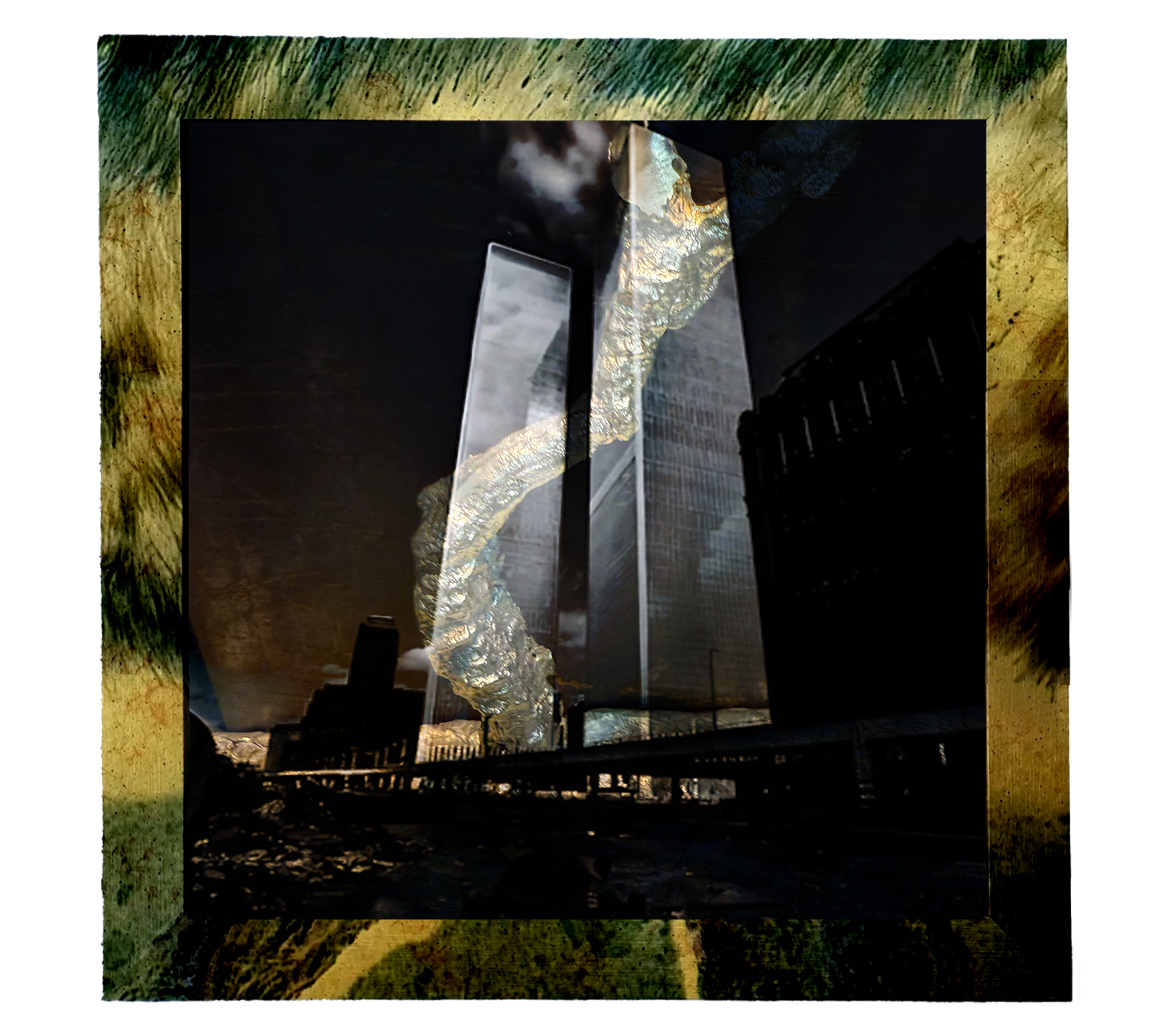
The art of Mark Piazza is not confined to one place, one city, or one culture. It is a journey—physical, intellectual, and elemental—moving through the great arteries of human civilization. From Rome, the cradle of empire and stone; to Florence, where art, proportion, and human consciousness were reborn; to Venice, floating between water and light like a living dream; to London, forged in industry, restraint, and endurance; and finally to New York, the modern summit of steel, finance, ambition, and velocity. Each city leaves an imprint, a layer, a vibration within the work.
This journey mirrors the evolution of humanity itself—power shifting, knowledge accumulating, civilizations rising and transforming, yet always drawn back to the same elemental truths.
At the center of this narrative stands gold.
Gold is not merely a material in Piazza’s work—it is a philosophical anchor. It represents value that transcends time, nations, and systems. It is no coincidence that the Federal Reserve Bank of New York holds the largest concentration of gold on the planet. Beneath the most powerful skyline, beneath the world’s most influential financial system, lies elemental permanence. Markets rise and fall, currencies fluctuate, empires shift—but gold remains. Silent. Immutable. Watching.
Gold is stability. Gold is memory.
Yet the most fascinating truth lies closer than vaults or galaxies—it lies within us. The human body itself processes approximately 0.2 grams of gold. Microscopic, yes—but profound. Gold moves through our blood, our nervous system, our biology. It assists in neural pathways. It exists quietly within us, as if reminding us that we are not separate from the cosmos, not separate from stars, not separate from value or light.
We carry stardust inside our own bodies.
This is where the art of Mark Piazza becomes deeply intimate. His fascination is not only with gold as material, but with gold as light’s companion. Light interacting with gold creates something unique—reflection without glare, warmth without distortion, radiance without aggression. It is a dialogue. A conversation between consciousness (light) and permanence (gold).
In his artworks, light is never accidental. It is guided, respected, allowed to move across surfaces with intention. Gold does not shout; it listens. It reveals itself slowly, depending on angle, time of day, and the observer’s stillness. This makes every encounter personal. No two experiences are the same.
Rome contributes gravity and origin.
Florence contributes intention and mastery.
Venice contributes reflection and illusion.
London contributes discipline and resilience.
New York contributes power, velocity, and global consequence.
Together, they form a continuum—a map not just of geography, but of human aspiration.
The art is not decorative. It is elemental. It speaks of where value truly comes from, of what endures beyond spectacle, and of the quiet intelligence embedded in matter itself. It reminds us that light is not only something we see—but something we are. And gold is not just something we possess—but something we remember.
This is the fascination.
The art of light through gold.
The universe reflected back at us—through craft, consciousness, and time
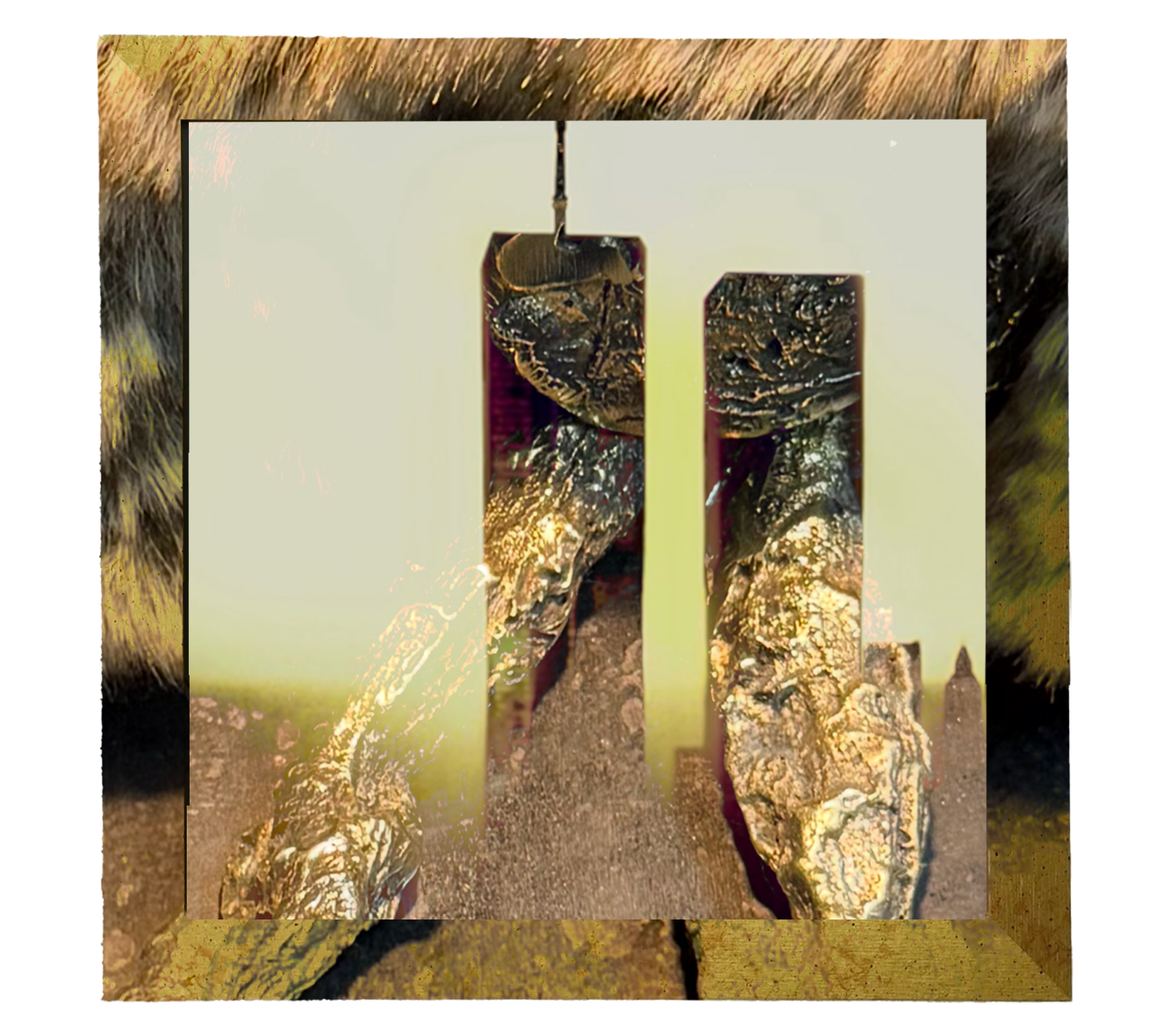
For New York City, it is a profound honour to create this eccentric, surreal steel-beam artwork entwined with the Survivor Tree—a living dialogue between endurance, memory, and renewal. This work is not simply placed in the city; it is born for it, shaped by its spirit, its resilience, and its relentless drive forward.
New York is a city forged in steel and lifted by will. The beams that define its skyline are more than structure—they are symbols of ambition, survival, and unity. Entwining these beams with the Survivor Tree creates a powerful convergence of nature and industry, of life and architecture, of softness and strength. The tree pushes, grips, and rises alongside the steel, echoing the story of the city itself: tested, scarred, yet unbreakable.
Bringing this work from Europe into New York is not an act of import, but of exchange—a cultural bridge that connects centuries of European artistic philosophy with the raw, living energy of Manhattan. To create it within the airspace and marketplace of New York itself is a tribute to the city’s role as a global crossroads, where ideas, people, and visions collide and transform into something entirely new.
Creating within Manhattan is an act of respect. It acknowledges New York not only as a financial capital, but as a cultural heart—one that understands risk, innovation, and expression. This exclusivity, created solely for New York, is offered as a gift: to its people, to its streets, to its skyline, and to all those from around the world who come here seeking inspiration.
This artwork cannot be replicated elsewhere. It belongs to New York because New York understands it. It can only be fully experienced through the pulse of the city—through its noise and silence, its speed and reflection, its shadows and light. To encounter it here is to experience something entirely unique, something that exists only through the heart of New York City.
The artwork is beautiful not because it seeks admiration, but because it carries meaning. It honours survival. It celebrates culture. It bridges continents. And it stands as a quiet yet powerful reminder that even in a city of steel, life continues to rise—rooted, resilient, and endlessly reaching upward.
New Journey Begins
Extraordinary and eccentric, this journey unfolds like the vast depths of deep space—silent, infinite, and profoundly lonely. It is not a journey measured in distance, but in time, endurance, and consciousness. Nine years in the making, shaped by solitude, patience, and unwavering devotion, the art of Mark Piazza is born from a place few are willing to enter and fewer still are able to remain within.
This is the art of consciousness itself—where feminine and masculine energies are not opposites, but complementary forces. They entwine, collide, soften, and harden, moving through one another like charged particles accelerated by unseen gravity. Momentum builds not through speed alone, but through intention. Thought becomes form. Emotion becomes structure. Silence becomes creation.
The soul radiates through the eyes of the human body, and this is where the work truly meets its witness. The art does not demand attention—it waits. It waits for the observer to slow, to look, to feel. And when the moment is right, it reveals itself gently, almost reverently. Like distant starlight finally reaching Earth after billions of years, the meaning arrives quietly, yet completely.
There is electricity in this work—not artificial, not forced, but raw and natural, like lightning born in night storms. Eccentric energy pulses through the steel, through the negative space, through the unseen tensions held within each piece. This electricity mirrors the life of its creator: a solitary figure working through the night while the world sleeps. Alone in the forge. Alone with heat, resistance, and material that does not yield easily.
Mark Piazza worked when darkness was total—when distractions disappeared and only instinct remained. Bending steel by hand. Forging through force and fatigue. Melting elements until they surrendered their previous identities. This was not comfort-driven creation. This was survival-driven creation. Escapism and discipline entwined. Pain transformed into structure. Loneliness transmuted into beauty.
Storms passed outside while fire roared within. Hours dissolved. Nights blurred into years. And slowly—almost imperceptibly—the creations began to emerge. Not all at once. Not violently. But slowly and gently, through the quiet authority of gold.
Gold appears not as decoration, but as revelation. It arrives when the structure is ready—when the work has earned it. Gold becomes the moment where light finally meets form, where consciousness settles into matter. It does not dominate. It illuminates. It whispers where steel speaks in silence.
This is not art made for crowds. This is art born from isolation. From devotion. From standing alone in the dark and choosing to continue.
The journey of this work reflects the journey of existence itself—creation arising from collapse, beauty emerging from endurance, light appearing only after one has learned to sit with darkness. It is a testament to the unseen hours, the unacknowledged labor, and the courage required to create without applause.
In the end, what remains is not just an artwork—but a trace of consciousness, captured in steel, electrified by intention, and finally blessed by gold.
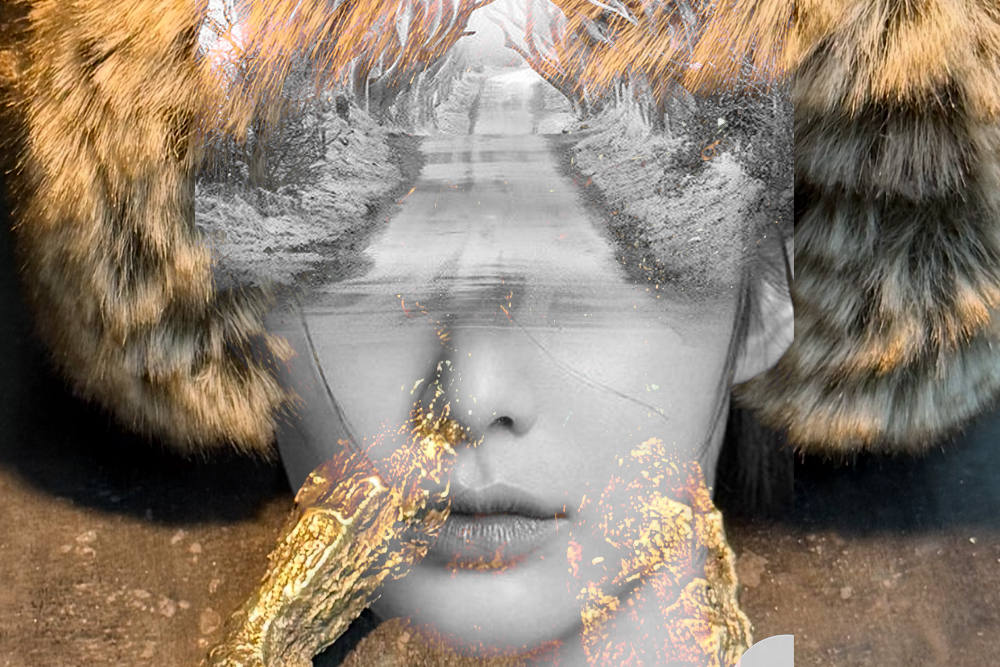
The journey of consciousness is the most fascinating passage we will ever take—one without maps, without borders, without an end. It is woven through time, memory, matter, and feeling, quietly connected by the rarest of elements: gold. Not merely a metal, but a signal—a reminder of origin, value, and eternity. Gold binds the stars to our blood, the cosmos to our cells, the infinite to the intimate.
In deep meditation and isolation, there is a loneliness so profound it feels like standing at the edge of the universe itself. A silence so complete it echoes. In that stillness, thought becomes extravagant—layered, elaborate, expansive beyond logic. The mind drifts between serenity and insanity, between calm illumination and the overwhelming vastness of existence. It is here, in this fragile balance, that consciousness reveals itself not as something we control, but something we enter.
And within that loneliness, something extraordinary happens. A thrust of love emerges—not loud, not dramatic, but undeniable. A love for one another that transcends language, belief, and identity. It arrives as an understanding rather than an emotion. A quiet recognition that we are connected, not by coincidence, but by design. Harmony begins to replace chaos. Empathy softens the sharp edges of suffering. Separation dissolves.
Serenity stands opposite insanity not as an enemy, but as a counterpart. One cannot exist without the other. Madness reminds us of the need for stillness. Stillness teaches us how to survive the noise. This tension propels us forward—into creativity, into expression, into the desire to leave something meaningful behind.
This is the journey of infinity.We came from the stars—formed from collapsed suns, cosmic dust, ancient light traveling across galaxies to become thought, flesh, breath. Our minds still remember this origin, even when we forget. That is why we look up instinctively. That is why we search. That is why we create. And one day, in one form or another, we will return—not as we were, but as something transformed.
Of all the forces humans will ever encounter, love remains the most mysterious. It cannot be measured. It cannot be owned. It defies reason and survives logic. It is present in sacrifice, in endurance, in silence, in the act of continuing when no one is watching. Love is the hidden essence of the soul—the quiet current beneath consciousness that gives meaning to everything we do.
This story is not about certainty.
It is about exploration.
Not about answers—but about presence.
This is my story.
And if you feel even a fragment of it stir within you,then perhaps it is yours too.
So let us begin the journey together, with open minds, steady hearts, and the courage to sit in silence long enough to remember who we truly are.
Classical Art Sculptures
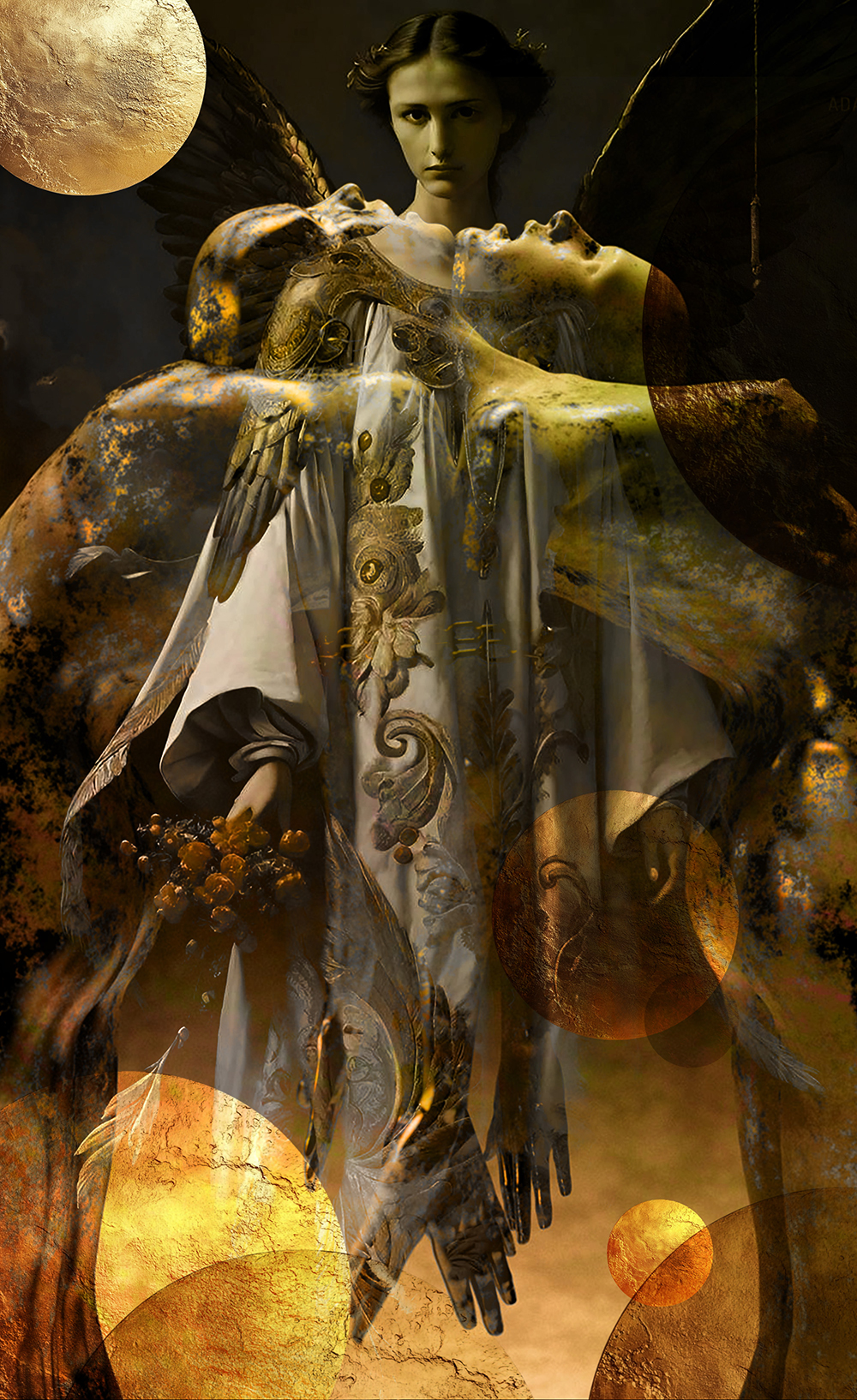
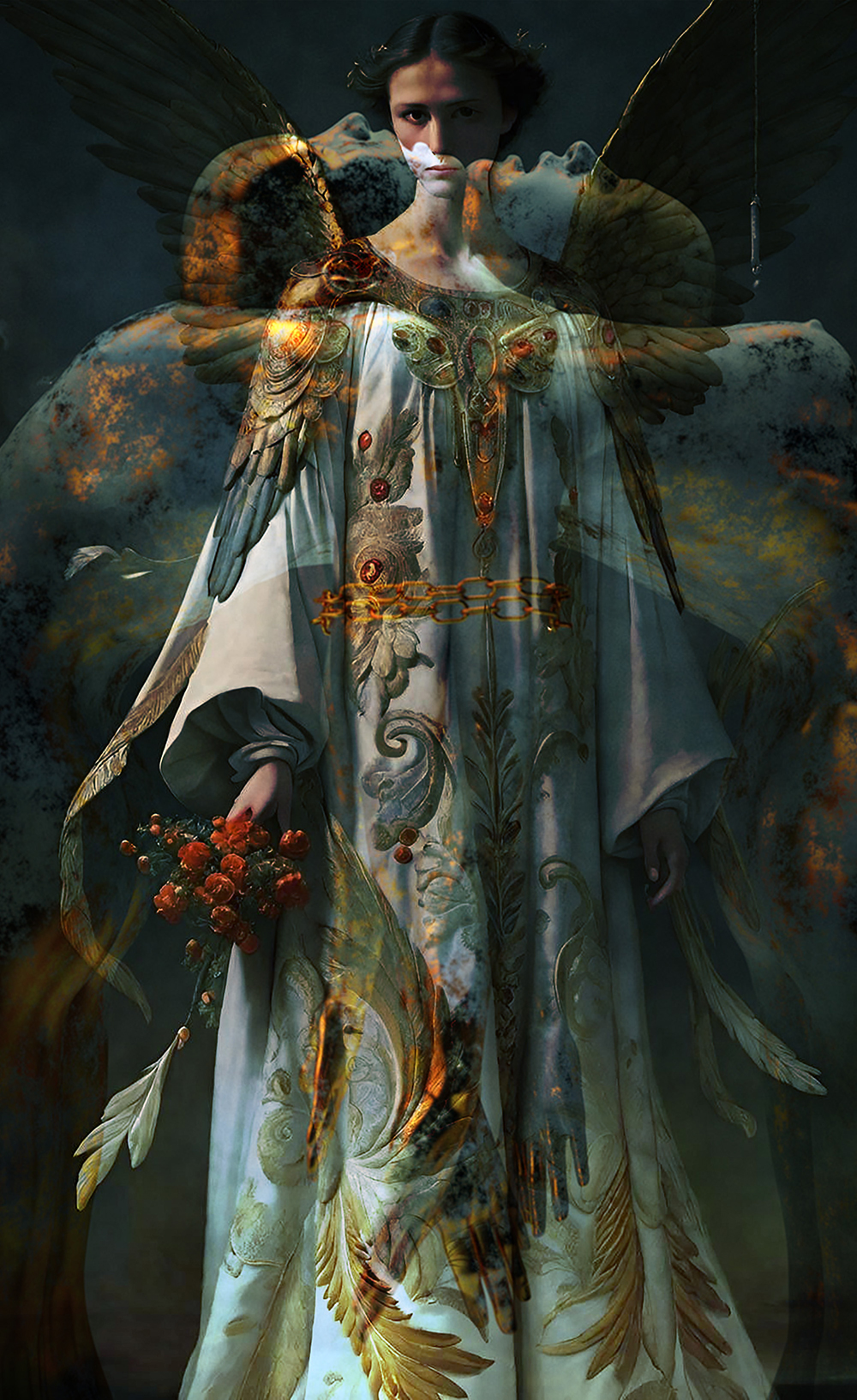
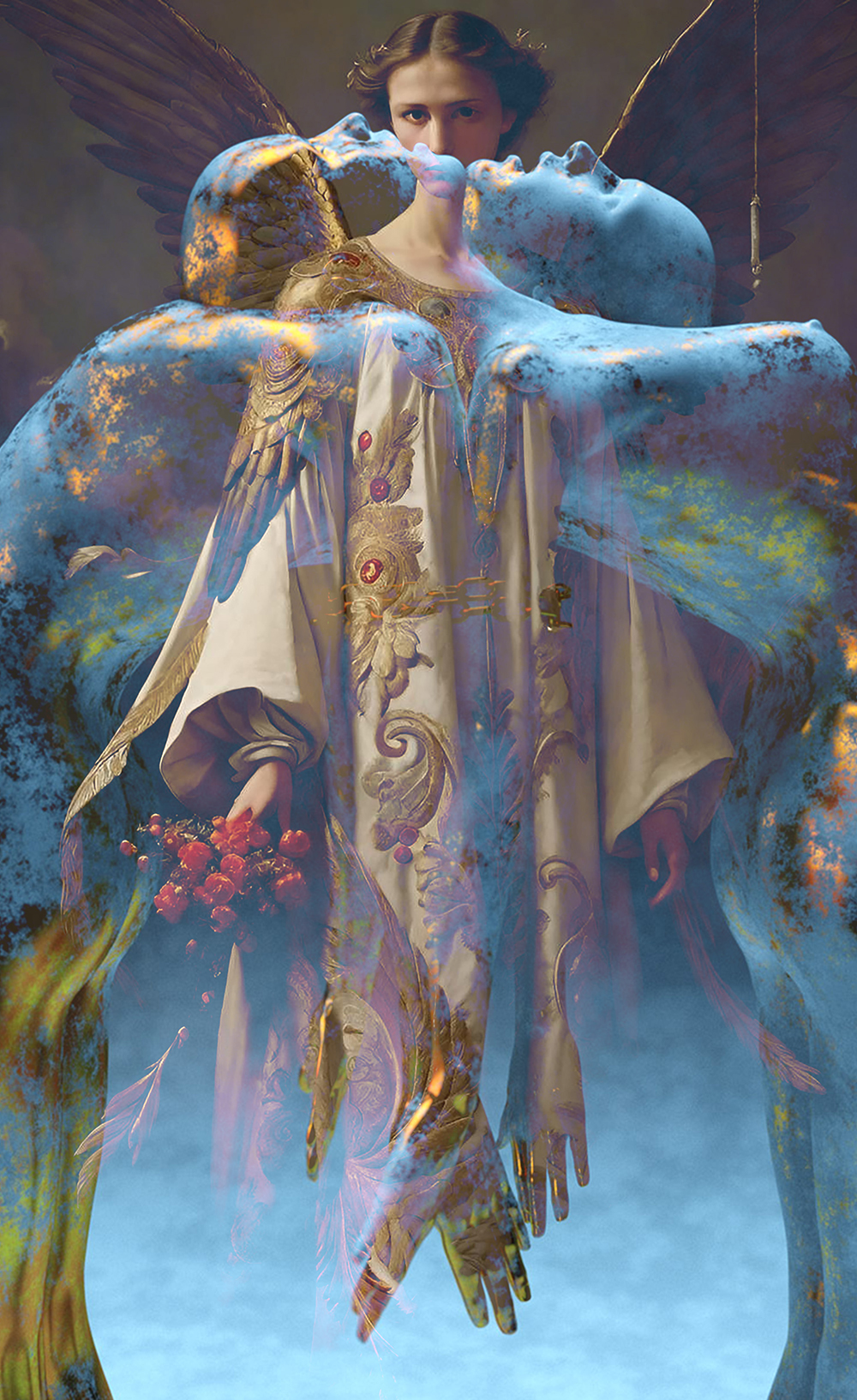
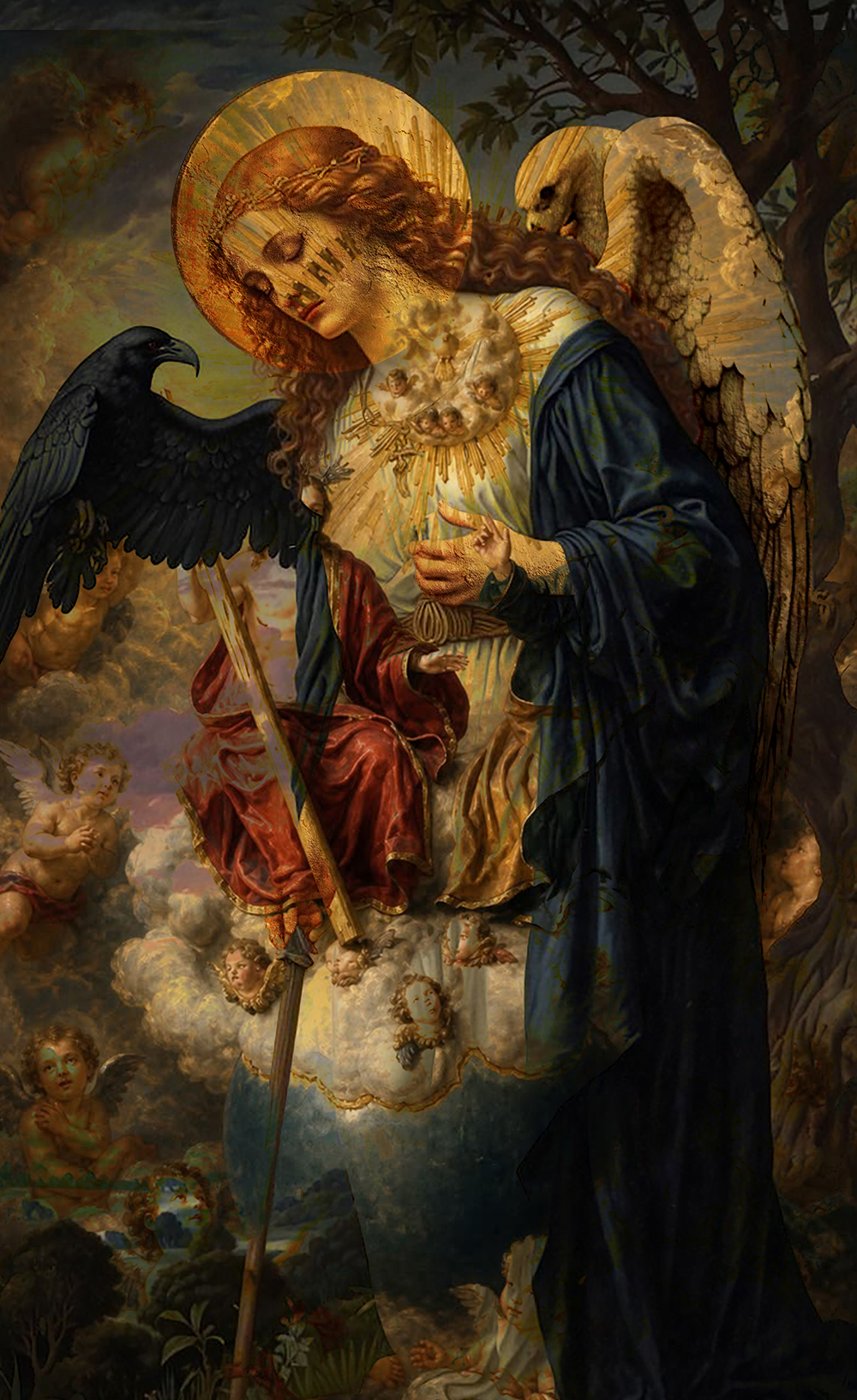
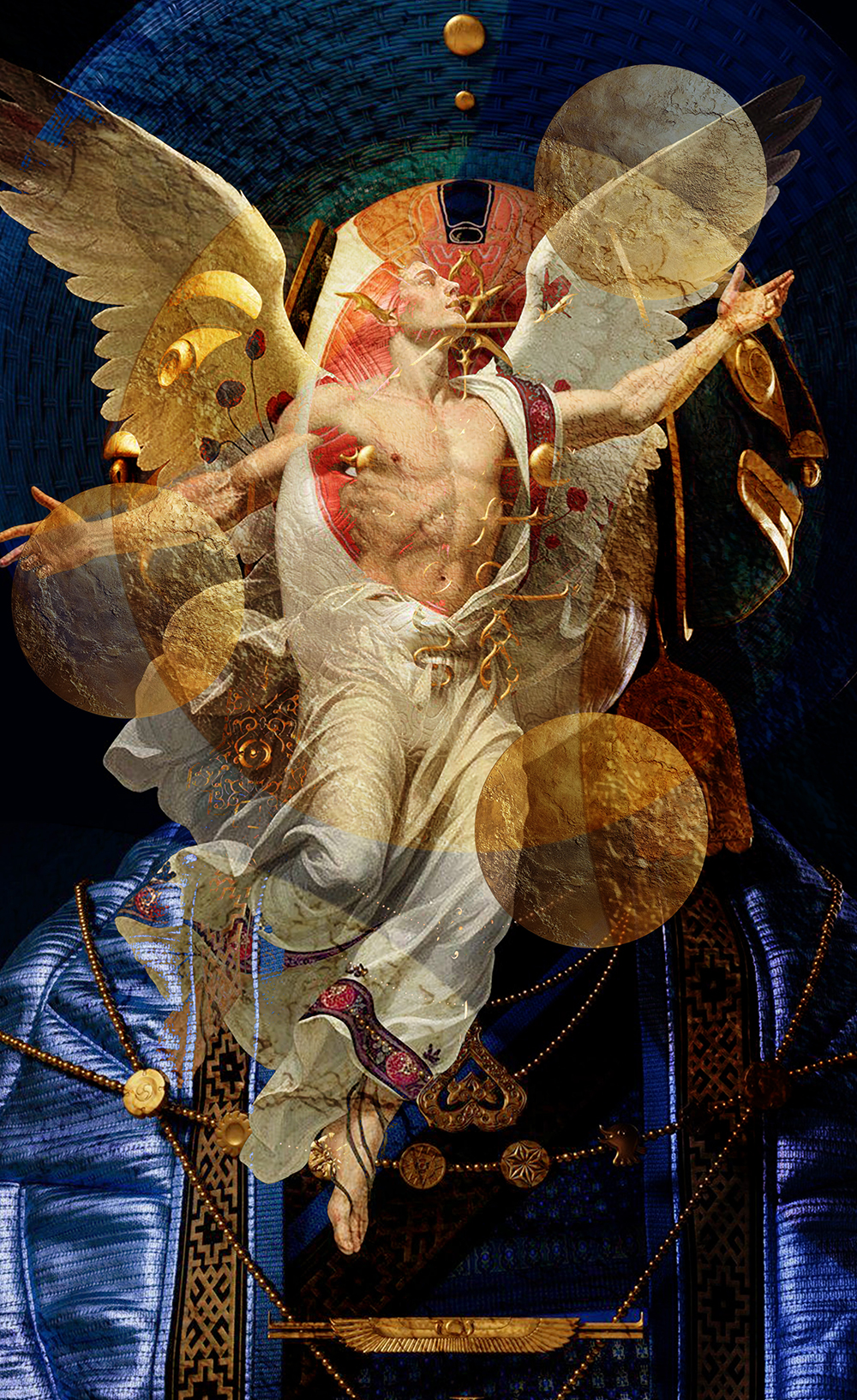
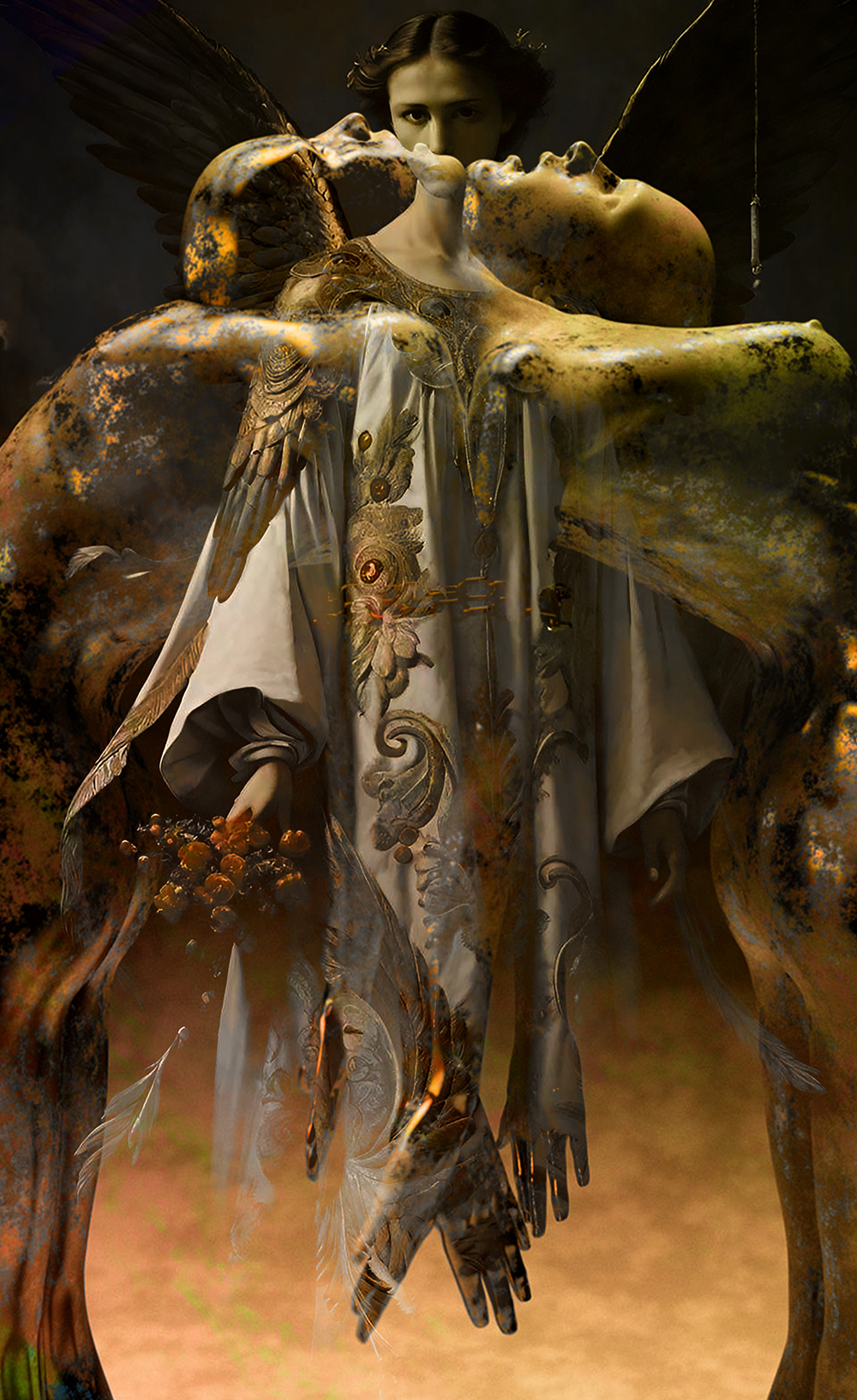
Returning back to innocence this style of classical sculpture will illuminate the world, angelica momentum is arriving.... Michelangelo, Galileo, Bernini are assisting in this campaign.
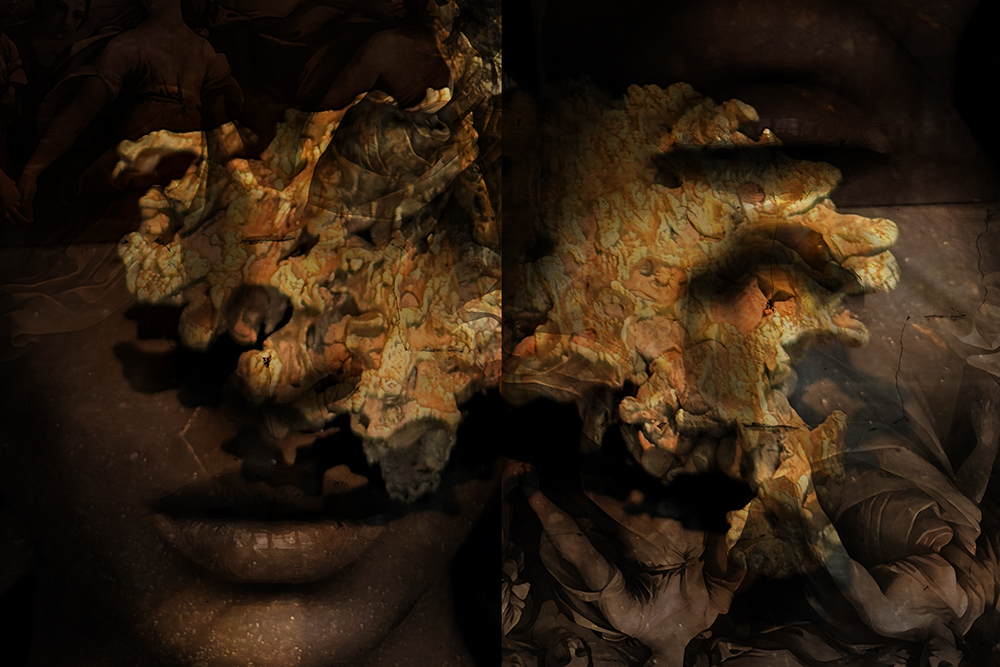
Contemporary Art Fashion Sculptures
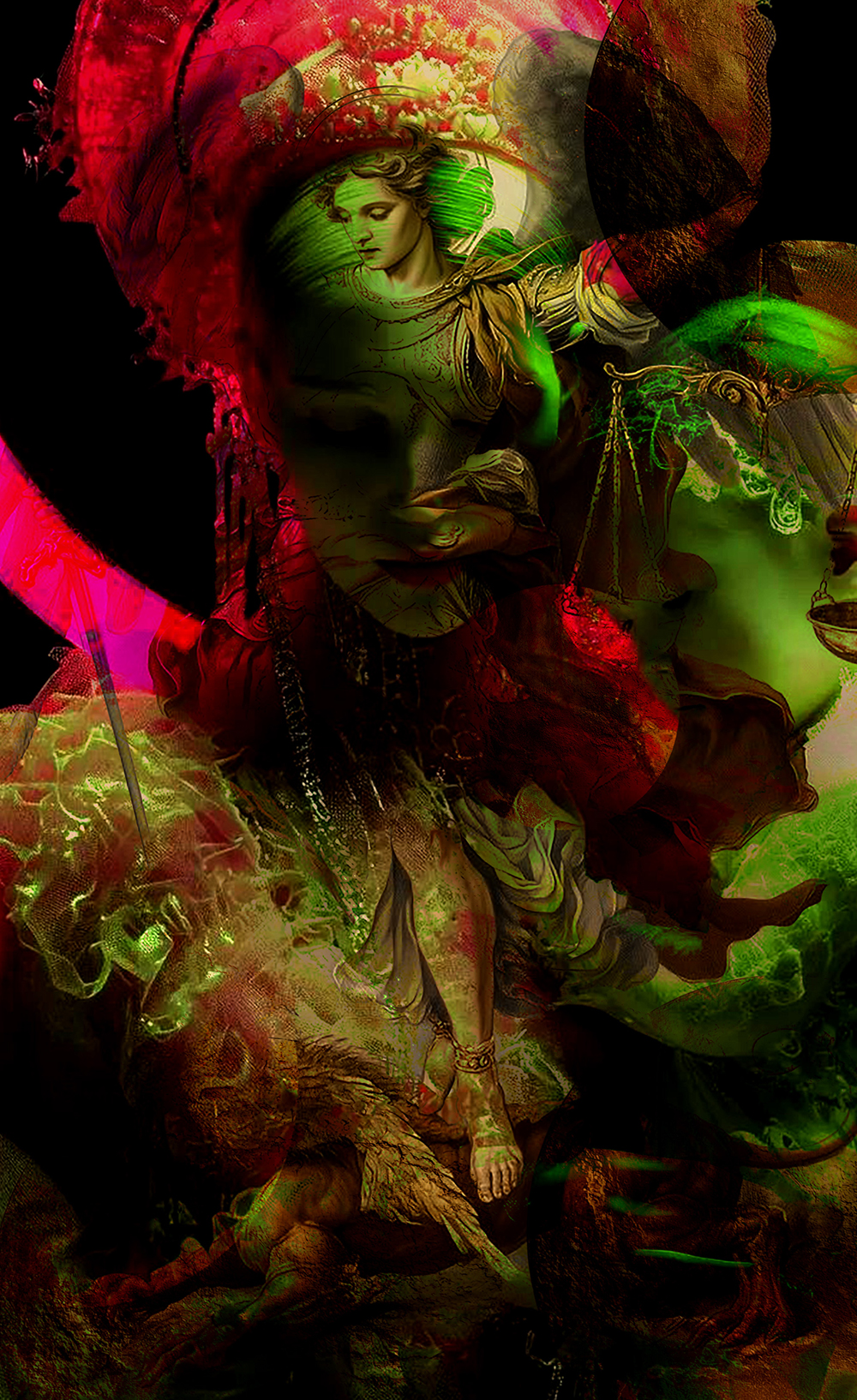
Extremely powerful models are also landing or are already here... invisible to our eyes but not for long. There piercing emotions will consume the euphoric energy within your mind.
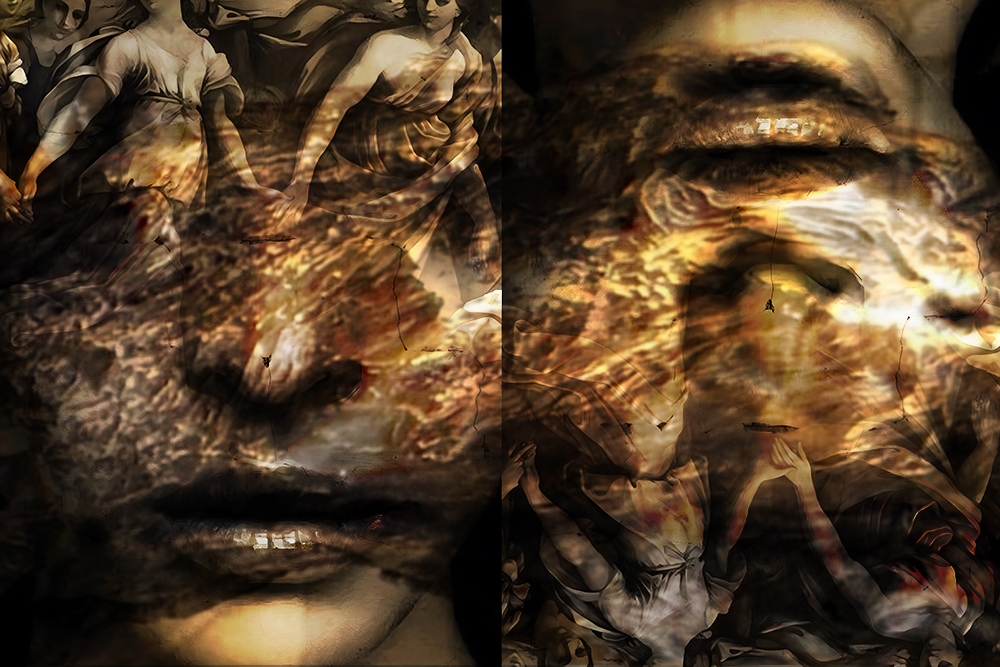
Surreal Tree Art
A unique style to endeavor the nature and robustness of our environment, without trees we are totally absent of the most harmonious beautiful creations of producing the serenity of human emotions.
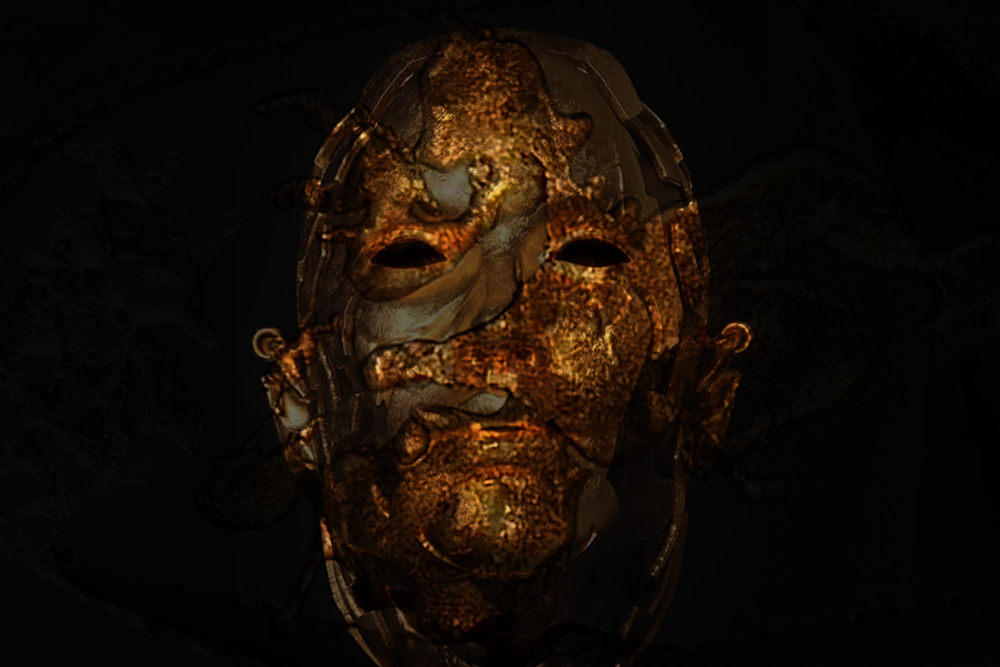
Motion Film Art
Motion definitely creates emotion.... and motion of surreal mystical understanding by viewing for just a moment in our extremely busy lifestyles we all lead is so beneficial as the artists work so hard to convey the messages to those whom may be viewing.
Experience Extraordinary
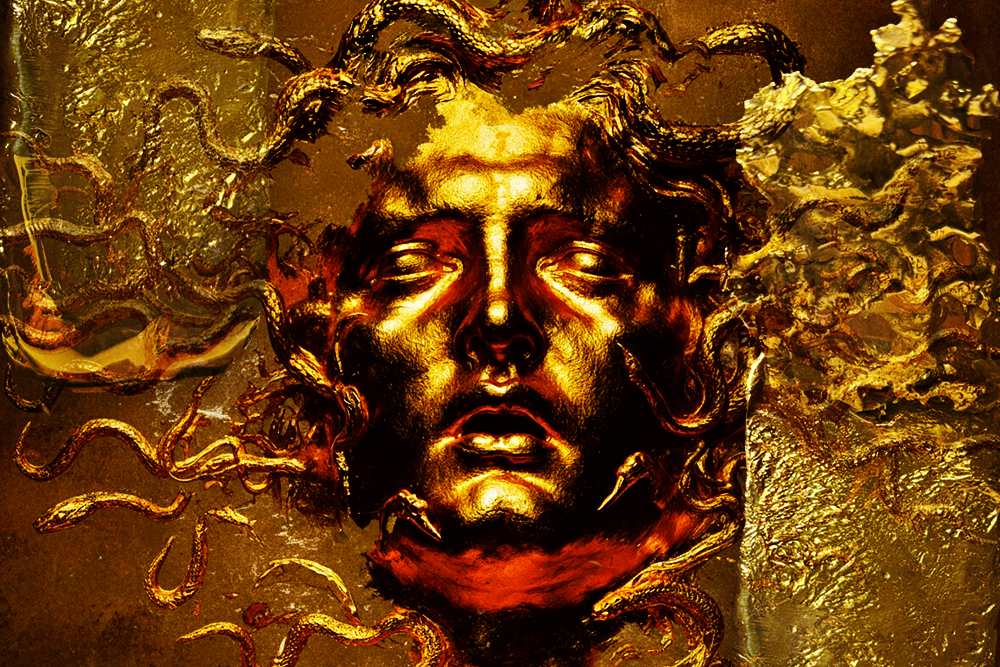
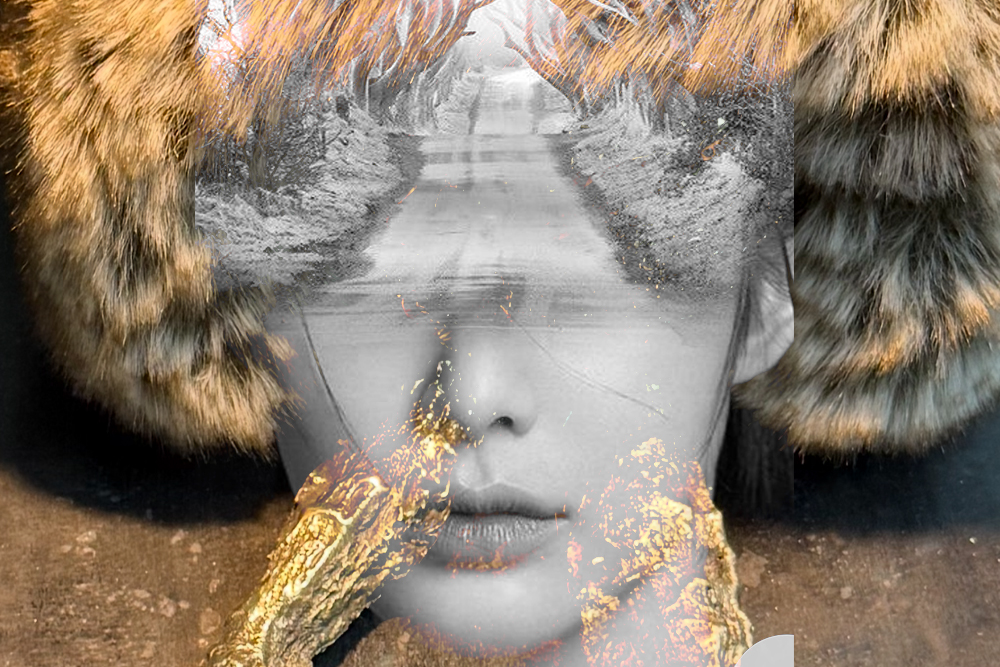
Fashion Fur Art
Fur has an extraordinary historical part in the evolution of the human race expressing enrapture of the nature of the feminine side in an softness of nature by surrounding the hardness and brutal side of mans characteristics the masculine steel elements of the steel art work.
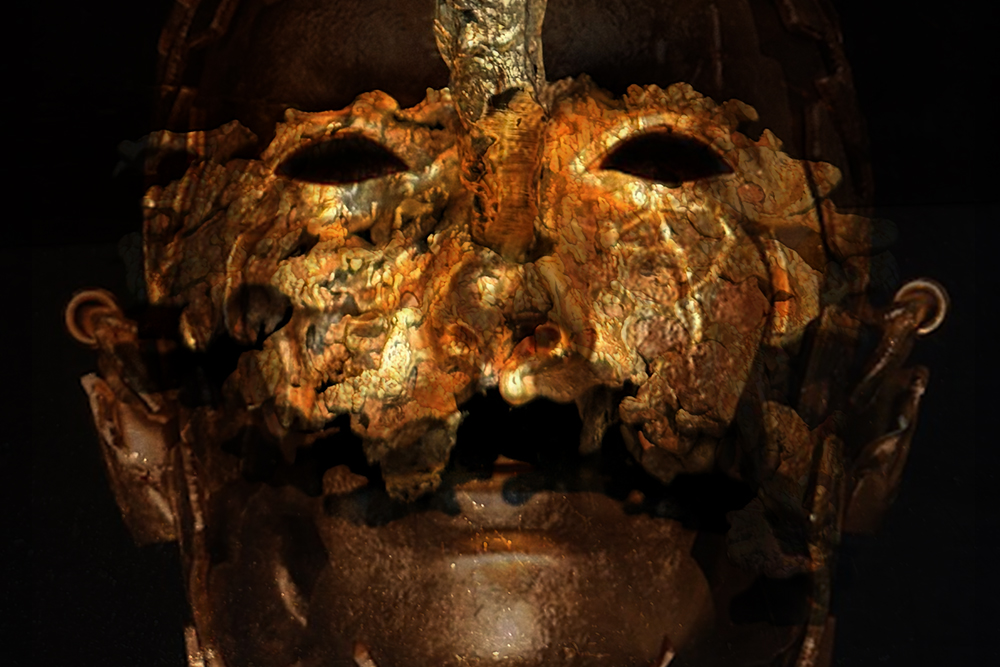
Leather Art Glass Lamps
Glass to your soul.... lightning the electricity that flows through your mind that powers all your thoughts and consciousness.... your mind an explosive night storm. Let there be light super refraction lighting lamps will illuminate with diamonds something that you have never seen before.
F1 Monte Carlo Art
dasdasdasda
Musica Famous Sculptures
sdsdsds
Proud to be Eccentric and Surreal
New York City Steel Art
sdsdsdsd
Banking Bullion Gold Art
From the origin of a supernova to the modern-day bullion bar, this gold tells a singular story of power, permanence, and vision. Forged in the heart of exploding stars and carried forward into human civilization, it becomes a fusion of artistic mastery and absolute exclusivity, uniquely aligned with the spirit and strength of New York City.
Roma
Firenza
The Art of Light
Venezia
Milano
London
sdsdsdsd
New York
dasdsadads
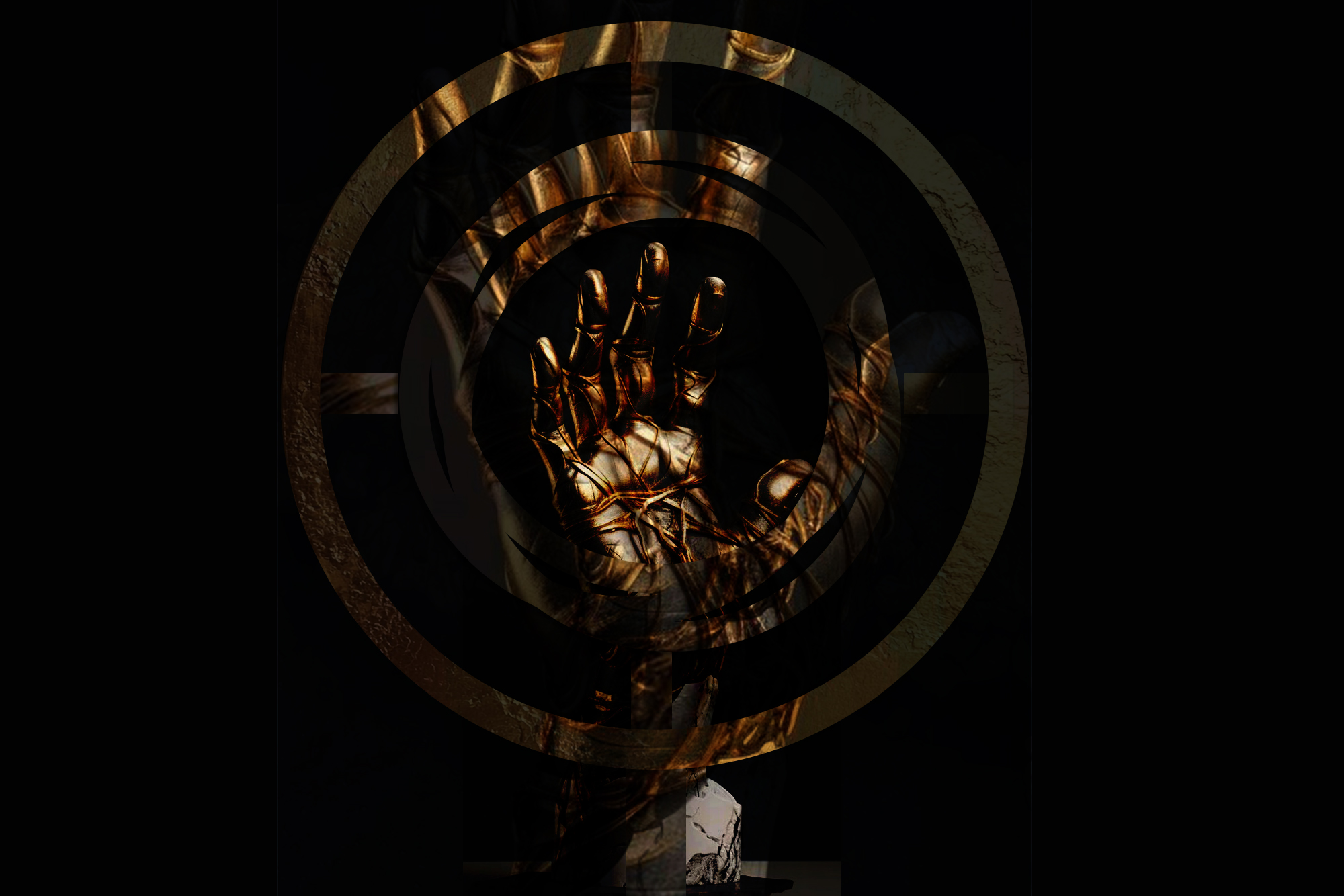
Hidden View — Artwork Exclusive to You
Our artwork is intentionally kept hidden. Not because it is absent, but because it is protected. Each piece carries years of creativity, experimentation, labour, and intellectual depth. To preserve this integrity, we do not publicly display much of our collection due to the risk of IP theft and misuse.
We do not authorize the use, reproduction, exportation, imitation, or outright stealing of our creative work in any form. Our responsibility is to protect what is rare, original, and irreplaceable. Exclusivity only has meaning when it is guarded with care.
For this reason, access is granted selectively.A special private code is issued to you, allowing you to view the work securely—away from cyber crime, unauthorized copying, and digital exploitation.
This is not secrecy for distance, but privacy for respect. A curated experience. A protected encounter with originality.
Hidden View exists for those who understand value, rarity, and artistic integrity. What you see is not only art—it is trust.
Proud to be Eccentric and Surreal
The Trees of Blenheim – A Living Continuum
To walk among the trees of Blenheim is to move through a landscape where time does not feel distant, but present. The great trees — ancient, grounded, and profoundly atmospheric — stand as silent witnesses to centuries of human history, cultural shifts, and the evolving rhythms of the English countryside.
These are not simply trees within an estate. They form a living architecture, shaping space with a natural authority that predates modern memory. Their roots are entwined with the historical gravity of Blenheim Palace itself, a setting long associated with heritage, continuity, and the enduring narratives of aristocratic England.
Each trunk, branch, and canopy carries the visual language of survival. Their forms have been sculpted by seasons, storms, growth, and decay — a thousand subtle transformations accumulating into something both monumental and deeply organic. Age here is not deterioration, but character. Time becomes visible through texture, proportion, and presence.
Within this environment, artistic interpretation becomes less an act of invention and more an act of listening. The trees offer structure, rhythm, and emotional resonance. They invite reflection on permanence and change, power and fragility, memory and renewal.
Inspired by this landscape, our works seek to translate that experience into material form. The process does not attempt to replicate nature, but to engage with its essence — its irregularities, tensions, and quiet harmonies. Each piece emerges as a response to the atmosphere and symbolic weight carried by these ancient forms.
The trees of Blenheim embody a continuum — a living interchange between past and future. They hold within them the memory of centuries while remaining fully present, still growing, still adapting. In this way, they become powerful metaphors for life itself: enduring yet changing, rooted yet evolving.
Through art, this dialogue continues. The historical landscape is not frozen in reverence but reinterpreted, carried forward into new contexts and new forms of expression. What once symbolised lineage and legacy now becomes a shared aesthetic and emotional inheritance.
The power of life within these trees is not solely historical. It is immediate, sensory, and quietly transformative.
The trees of Blenheim do not simply stand in the landscape.
They shape it.
They remember it.
They carry it forward.
Evening Among the Trees
Through the quiet presence of trees and their living forms, the evening breeze becomes more than movement — it becomes a language. In that gentle passage of air, there is an invitation to pause, to listen, and to drift inward toward contemplation.
Night carries a peculiar clarity. Beneath its softened light, the mind wanders toward memory, toward the silent banquets of the past — gatherings of time, emotion, and experience that linger without voice. The trees, standing timeless and observant, seem to hold these echoes effortlessly, as though centuries themselves rest within their structure.
There is loneliness within such moments, yet it is not emptiness. It is a reflective solitude, shaped by stillness, by distance, by the awareness of all that has been and all that has faded. Loss, too, finds a strange harmony here, interwoven with serenity. The night does not erase absence; it reframes it, allowing beauty and melancholy to coexist.
Among these forms, art reveals its deeper purpose. It becomes communion — not merely between artist and object, but between past and present, self and environment, memory and perception. The trees are no longer scenery; they become participants in a silent dialogue. Their silhouettes, textures, and gestures suggest narratives that feel both ancient and immediate.
To experience such a landscape is to recognise how art emerges not only from creation, but from attention. Meaning gathers in repetition, in rhythm, in the act of cherishing what cannot be possessed but can be felt.
To cherish.
To hold.
To express.
These gestures echo forward, carrying the spirit of the future within the stillness of the present moment. Expression becomes continuity — a thread drawn through time, woven between experience, imagination, and form.
The trees remain.
The night listens.
And art, quietly, endures.
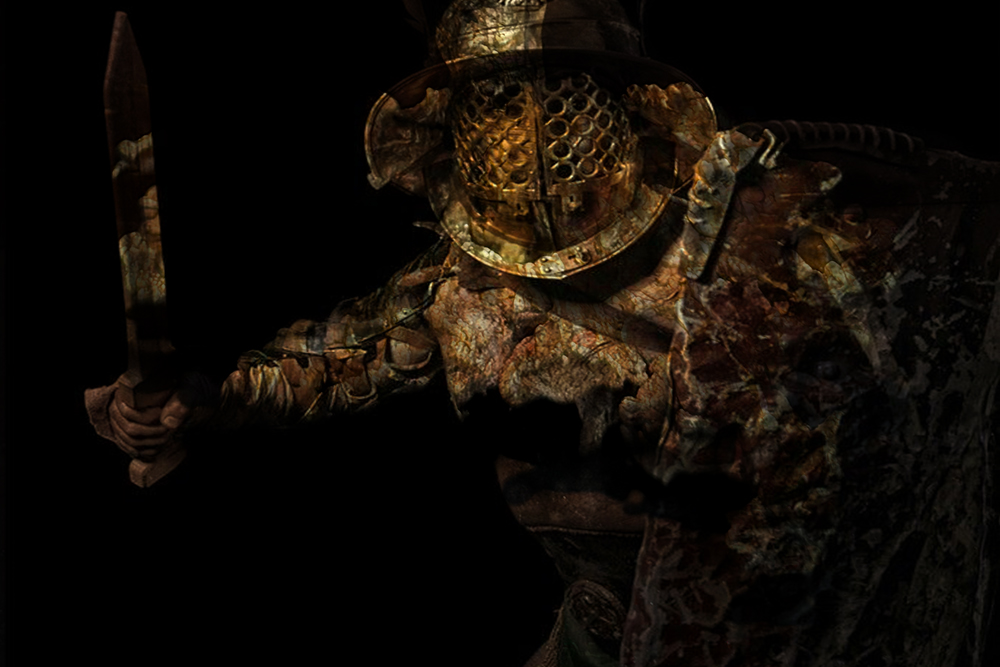
The Trees of Blenheim – A Living Continuum
To walk among the trees of Blenheim is to move through a landscape where time does not feel distant, but present. The great trees — ancient, grounded, and profoundly atmospheric — stand as silent witnesses to centuries of human history, cultural shifts, and the evolving rhythms of the English countryside.
These are not simply trees within an estate. They form a living architecture, shaping space with a natural authority that predates modern memory. Their roots are entwined with the historical gravity of Blenheim Palace itself, a setting long associated with heritage, continuity, and the enduring narratives of aristocratic England.
Each trunk, branch, and canopy carries the visual language of survival. Their forms have been sculpted by seasons, storms, growth, and decay — a thousand subtle transformations accumulating into something both monumental and deeply organic. Age here is not deterioration, but character. Time becomes visible through texture, proportion, and presence.
Within this environment, artistic interpretation becomes less an act of invention and more an act of listening. The trees offer structure, rhythm, and emotional resonance. They invite reflection on permanence and change, power and fragility, memory and renewal.
Inspired by this landscape, our works seek to translate that experience into material form. The process does not attempt to replicate nature, but to engage with its essence — its irregularities, tensions, and quiet harmonies. Each piece emerges as a response to the atmosphere and symbolic weight carried by these ancient forms.
The trees of Blenheim embody a continuum — a living interchange between past and future. They hold within them the memory of centuries while remaining fully present, still growing, still adapting. In this way, they become powerful metaphors for life itself: enduring yet changing, rooted yet evolving.
Through art, this dialogue continues. The historical landscape is not frozen in reverence but reinterpreted, carried forward into new contexts and new forms of expression. What once symbolised lineage and legacy now becomes a shared aesthetic and emotional inheritance.
The power of life within these trees is not solely historical. It is immediate, sensory, and quietly transformative.
The trees of Blenheim do not simply stand in the landscape.
They shape it.
They remember it.
They carry it forward.
English Eden – Light, Flame, and Form
Light and shadow possess their own quiet poetry. Beneath the gentle glow of candlelight, the artwork of the trees awakens — surfaces deepen, contours soften, and textures begin to breathe with a subtle, living presence. Illumination does not merely reveal the work; it transforms it, allowing form and atmosphere to merge.
In the stillness of evening, as the midnight moon casts its delicate shimmer, the flame becomes a collaborator. Its movement is never static, never predictable. It dances softly, scattering golden reflections across wood and surface, tracing lines that feel both ephemeral and eternal. The artwork responds as though animated by memory, each flicker suggesting depth, emotion, and quiet resonance.
The ambience created by flame is one of romance and profound serenity. It evokes warmth without weight, intimacy without enclosure. Light gathers gently, cascading like a rainfall of luminous gold, reminiscent of wind passing through branches, of whispers carried across leaves. Shadow and radiance exist together in delicate harmony, shaping a visual experience that is constantly alive.
Within this interplay, the trees transcend material. They become gestures of atmosphere, echoes of nature reinterpreted through art. Their presence shifts with every movement of light, offering new perceptions, new subtleties, new moods. No single viewing is ever identical, for light itself is part of the composition.
Placed within the quiet sanctuary of the home, these works cultivate an environment of calm reflection. The room becomes more than a setting — it becomes an extension of the artwork’s language. Stillness, warmth, and soft luminosity combine to create a haven of timeless presence, where art is not simply observed, but inhabited.
This is the essence of English Eden — a union of nature, light, and perception. An experience of exclusivity not defined by rarity alone, but by atmosphere, intimacy, and emotional depth. A luminous dialogue between flame and form, serenity and imagination.
Enjoy the art of Mark Piazza.
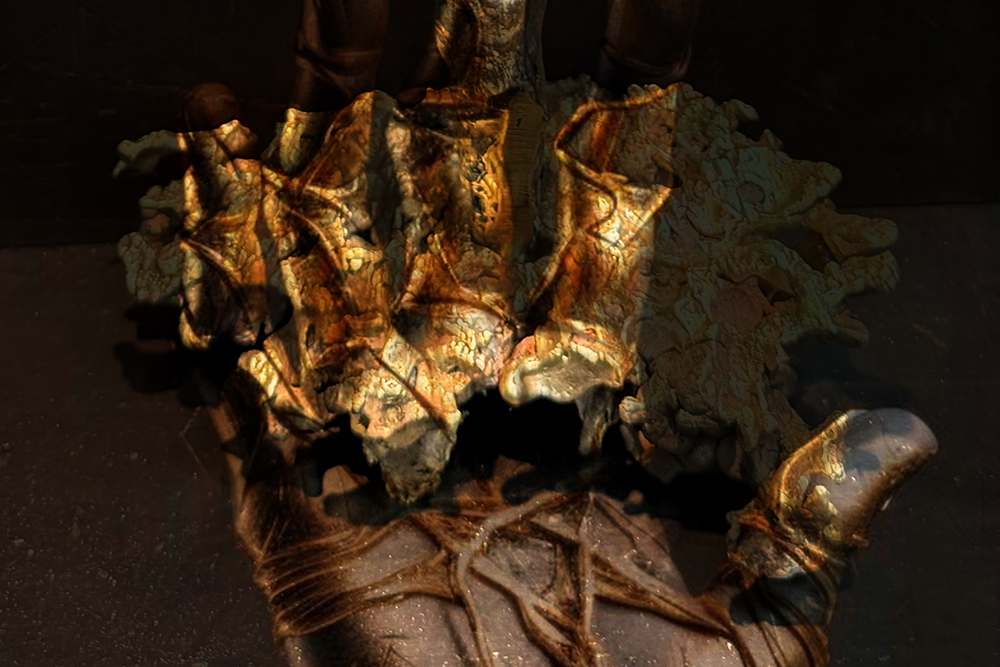
English Eden – Flame, Shadow, and Atmosphere
Flame and shadow exist in a delicate and mesmerising partnership. In the presence of a living flame, the artwork of the trees enters a state of quiet transformation — contours awaken, textures deepen, and surfaces begin to shimmer with a subtle, breathing luminosity.
The dancing flame casts its shadows with beautiful unpredictability. Light flows, shifts, and glides across the sculptural forms, recalling the rhythms of nature itself — at once gentle and dynamic, like the quiet exchange between moonlight and sunlight. In this constant movement, the artwork becomes an evolving experience rather than a fixed image.
An atmosphere emerges that feels almost celestial, as though an eclipse of radiance and shadow has settled upon the trees. Every flicker reveals hidden detail: delicate textures, layered surfaces, and organic structures that seem to move within the glow. The golden reflections appear alive, infused with warmth and quiet brilliance.
There is a deeply calming quality to this interplay. The soft pulse of flame and the fluidity of shadow invite stillness, drawing the viewer into a state of gentle contemplation. What unfolds is not simply visual, but sensory — a tranquil immersion where light, form, and perception harmonise. The spirit settles. The mind slows. The moment elongates.
Within this luminous dialogue, the trees transcend material presence. They become vessels of mood, memory, and atmosphere — objects that do not merely occupy space, but shape it. The home, touched by this glow, is transformed into a sanctuary of warmth, depth, and serenity.
This is the essence of English Eden — where flame, shadow, and artistry converge to create a world of quiet luxury and hypnotic beauty.
Enjoy the artwork of Mark Piazza.
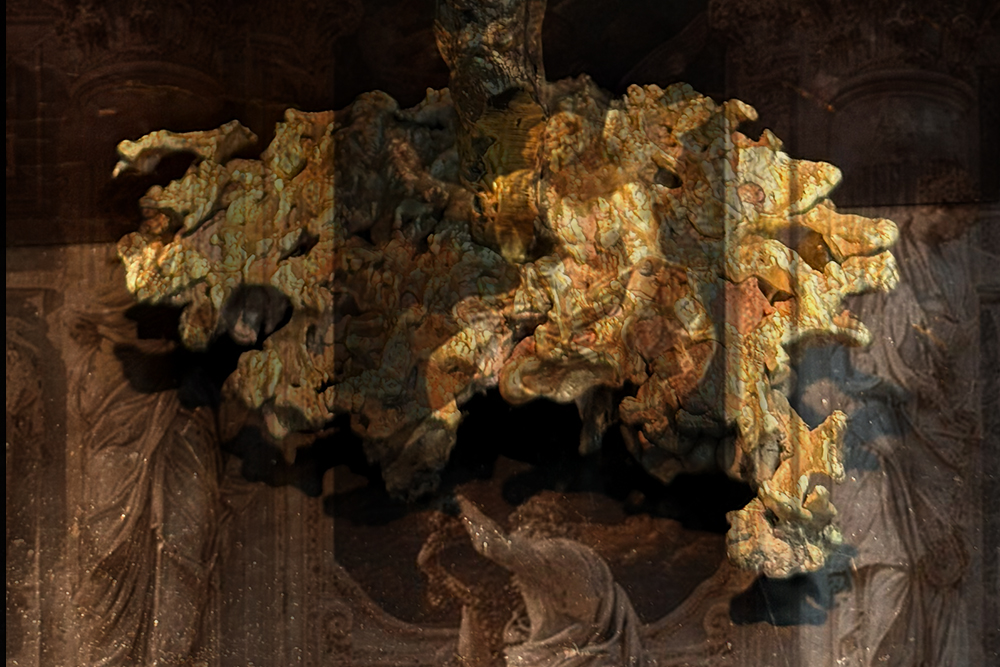
The Love Story of the Trees of Blenheim
This is a story carried not only by voices and memory, but by landscape — by stone, flame, wind, and the silent witness of ancient trees. It is a tale of ancestry and longing, of grandeur and humility, unfolding beneath the shifting skies of Blenheim.
Within the great estate, where history rests in every path and shadow, two worlds existed side by side. The palace stood in quiet majesty while beyond its reach lay the cottages of the workforce — dwellings of labour and simplicity, where lives moved with the rhythms of the land. Between these realms flowed an invisible thread, delicate yet inevitable, and it first revealed itself on a night shaped by storm.
Rain fell with restless intensity against the palace windows, winds swept through the meadows bending grasses and stirring the ancient trees, and lightning fractured the darkness, illuminating the landscape in fleeting brilliance before surrendering again to night. From her chamber the princess watched, loneliness having become her quiet companion — a stillness that grandeur could not soothe. Yet amid the turbulence of storm and shadow something shifted. Through the rain-soaked darkness she saw it: a distant trembling light across the fields, a flame fragile yet unwavering against the vastness of night. It was neither decoration nor illusion. It was presence.
Beyond the palace walls, in the humble world of cottages and stables, the horseman kept his vigil. His flame, born of necessity rather than spectacle, glowed with quiet honesty — warmth, survival, and a silent defiance against the storm. The trees felt it first; their branches stirred by electric winds seemed to move with unusual purpose, leaves brushing and whispering so that the restless friction resembled voices carried through the night air. The landscape itself appeared alive with inquiry, as though nature recognised the invisible currents of human longing.
Within the palace the fireplace crackled softly, logs surrendering to flame in shifting bursts of light. The room breathed with warmth, yet the princess’s gaze remained fixed upon the distant glow beyond the storm. The flames seemed to echo the unrest of her thoughts, drawing her eyes toward the world outside, for the night often reveals truths the day conceals. Across the trembling fields, beneath the silhouettes of ancient trees, two solitary flames answered one another — one born of royalty, one of labour, both illuminated beneath the same restless sky. The storm did not divide them; it bound them.
The trees of Blenheim, rooted in centuries of human passage, bore silent witness to the exchange. Their forms, shaped by time beyond memory, seemed to understand what rank and distance could not erase: that longing moves like wind, indifferent to boundaries, always drawn toward its reflection. In this way the story became part of the land itself — not written, but felt — a romance carried by light, shadow, and the living breath of the landscape.
This is the love story of Blenheim, and the trees remember.
Upon the arch trees, elements are chosen with great care and reverence — not merely as materials, but as vessels of reflection and memory. Their surfaces are flattened and polished to a quiet brilliance, becoming golden mirrors that gather and return light with a gentle living intensity. They do not simply reflect a flame; they receive it. Within their golden depth the dancing fire multiplies and softens, glowing as though suspended in time, creating the sense of an eternal presence — a light continuous and unbroken by moment or movement.
Placed within the natural architecture of the trees, the mirrors appear almost inevitable, as though discovered rather than installed. Organic form merges with luminous reflection so that the archway becomes not only a threshold of space but of atmosphere, where light, shadow, and material converge. The golden surfaces carry a quiet poetry, echoing centuries of unseen moments — fires once lit, evenings once passed, lives once lived beneath branches and sky — and the reflected flame awakens a dialogue with time itself. Here reflection becomes metaphor, the flame becomes memory, and the mirrors become witnesses.
Nearby the nurse sculpture rests in serene stillness, a counterpoint to the fluid movement of fire and light. Together they form a composition of quiet intimacy — human form, living flame, and reflective gold suspended within a shared atmosphere of calm and contemplation. The archway glows softly, held in warmth and silence.
A sanctuary of reflection.
A harmony of light.
A serenity that lingers.
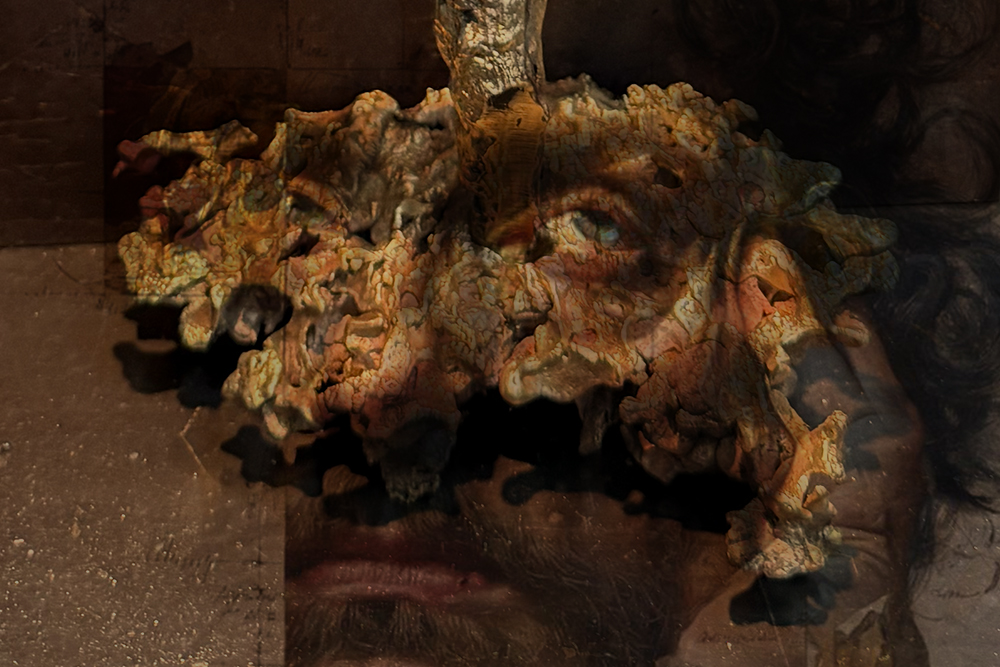
Golden Mirrors of the Arch
Upon the arch, the trees are carefully chosen — their forms honoured, their surfaces gently flattened and polished into golden mirrors. These mirrors are not decorative afterthoughts; they are intentional placements within the body of the tree itself, precise and reverent, where light and meaning naturally gather.
Here, the flame finds its reflection.
Candlelight touches the gold and multiplies, returning itself as a softened glow — an eternal flame mirrored back through time. Each reflection feels layered, as though centuries are held within the surface: moments of warmth, vigil, memory, and quiet presence. The gold does not shine loudly; it listens, it remembers.
These golden mirrors become thresholds. Positioned along the archway, they guide the eye and the spirit, creating a passage of light and calm. As the flame moves, its reflection drifts gently across the polished surface, echoing the slow breath of the room and the stillness of the night. Serenity settles without demand.
Within this arrangement, the tree becomes both structure and storyteller. Its grain, its history, and its transformation into reflective form allow the past to speak without words. The flame reflects not only light, but soul — the accumulated presence of time shaped into a moment of contemplation.
Alongside the nurse sculpture, the composition finds balance. Care, guardianship, and quiet devotion are held within the scene, softened by glow and shadow. The mirrors, the flame, and the sculptural forms work together to create an atmosphere of peace — intimate, luminous, and enduring.
These golden mirrors do not merely reflect light.
They hold it. They return it. They carry it forward.
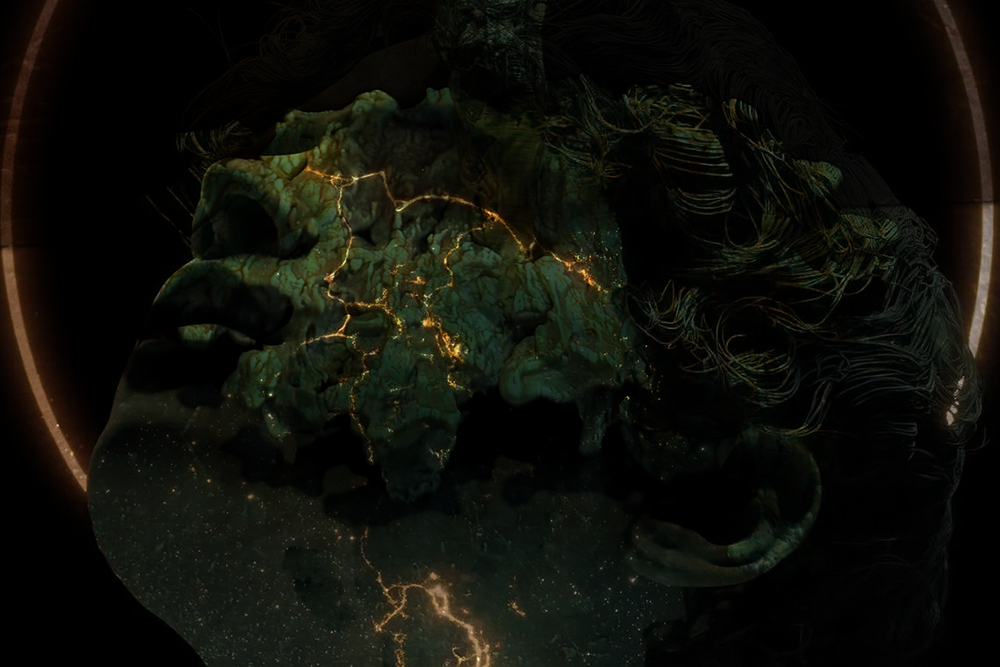
Golden Mirrors of the Arch Trees
Upon the arch trees, elements are chosen with the utmost care — not as ornament, but as quiet revelations of form and light. Sections of wood are thoughtfully selected, gently flattened, and polished until their surfaces approach a mirrored stillness. These are the golden mirrors: luminous planes that capture and return light, transforming the natural material into something both reflective and transcendent.
Positioned along the archway with deliberate intention, these mirrored forms serve as vessels for illumination. They do not merely reflect flame; they converse with it. The living movement of light dances across their golden surfaces, shifting with every flicker, every breath of air, every subtle change in the surrounding atmosphere. What emerges is not a static reflection, but a continuous interplay between radiance and depth.
The flame, eternal in its symbolism, becomes multiplied and reimagined within these golden mirrors. It stretches, fractures, softens, and reforms — a choreography of light that evokes both immediacy and timelessness. In this dialogue, the mirrors appear to hold memory itself, as though centuries of presence, passage, and unseen narratives reside within the glow.
These surfaces carry a profound poetic function. They gather the warmth of firelight and translate it into an ambient field of gold, casting an atmosphere that feels at once intimate and monumental. The reflections suggest something beyond physical light — an echo of the soul of the landscape, a quiet resonance of histories absorbed by wood, space, and time.
The placement within the archway is essential. The arch, long associated with transition and threshold, becomes a symbolic passage between worlds: shadow and illumination, interior and exterior, past and present. As light travels across the golden mirrors, the space itself feels animated, as though one is moving through a living continuum rather than a fixed structure.
Nearby, the presence of the nurse sculpture deepens this sense of serenity and contemplation. Bathed in the softened radiance of reflected flame, the sculpture exists within a field of gentle luminosity. Its stillness contrasts with the fluid movement of light, yet the two coexist in harmonious balance. Form and reflection, solidity and shimmer, reality and suggestion merge into a unified experience.
Within this environment, the golden mirrors perform more than an optical role. They shape emotion, atmosphere, and perception. They invite quiet observation, rewarding stillness with subtle transformation. Every shift of flame produces a new visual language — fleeting yet endlessly renewable.
Here, light becomes memory.
Reflection becomes presence.
The flame becomes timeless.
And the arch trees, through their golden mirrors, hold the poetry of both.

Handcrafted Light – The Golden Trees
The Trees of Blenheim – A Living Continuum
These candle holders exist as singular creations, each one entirely unique, entirely handcrafted. No two forms are ever repeated, for each piece is shaped through an intuitive dialogue between material, light, and artistic intention. They are not manufactured objects, but individual works — expressions of process, patience, and presence.
The golden trees from which they emerge are themselves true one-offs. Their sculptural forms are forged through a living, evolving method where texture, contour, and surface are guided rather than imposed. Subtle variations in grain, structure, and finishing ensure that every creation carries its own identity, its own atmosphere, its own visual language. When illuminated, the pieces reveal their deeper purpose.
The candle holder becomes more than a functional object; it becomes a vessel of warmth and serenity. Flame interacts with the carefully polished sections, scattering gentle reflections across the golden surfaces. Light glides along the contours of the tree sculpture, awakening fine details, subtle textures, and organic rhythms that remain hidden in stillness.
These reflective planes are integral to the experience. They capture the living movement of flame — the quiet pulse, the unpredictable dance — and return it in softened, luminous echoes. The effect is both calming and immersive, as though light itself is breathing through the form.
Within this interplay, symbolism and atmosphere converge. The golden tones evoke a sense of timelessness, while the tree-inspired structures carry the quiet authority of nature. Serenity, continuity, and memory seem woven into the material, suggesting an aesthetic that bridges the contemporary with the deeply historical.
There is also an echo of aristocratic heritage — not as decoration, but as sensibility. A refinement of presence. A quiet dignity of form. The language of craftsmanship, patience, and enduring beauty resonates through each surface and silhouette.
This is a distinctly avant-garde expression: a fusion of sculpture, light, and environment. The works do not simply occupy space; they shape mood, energy, and perception. They introduce a softness into the interior — a gentle, atmospheric warmth that transforms a room without overwhelming it. Beyond visual presence, there is the sensory dimension.
Designed to accompany aromatic candlelight, these pieces cultivate a restorative environment. Fragrance, flame, and reflective gold combine to produce an experience that is both grounding and contemplative. The home becomes a space of retreat, stillness, and quiet renewal.
The inspiration drawn from the trees of Blenheim Palace is not literal but emotional and symbolic. These ancient forms, rooted in centuries of landscape and memory, become a conduit back to something elemental — a reminder of organic rhythms, natural harmony, and the enduring calm of the living world.
Through light and material, the works invite a gentle reconnection:
To warmth.
To stillness.
To Mother Nature herself.
The golden trees do not merely hold flame.
They carry atmosphere.
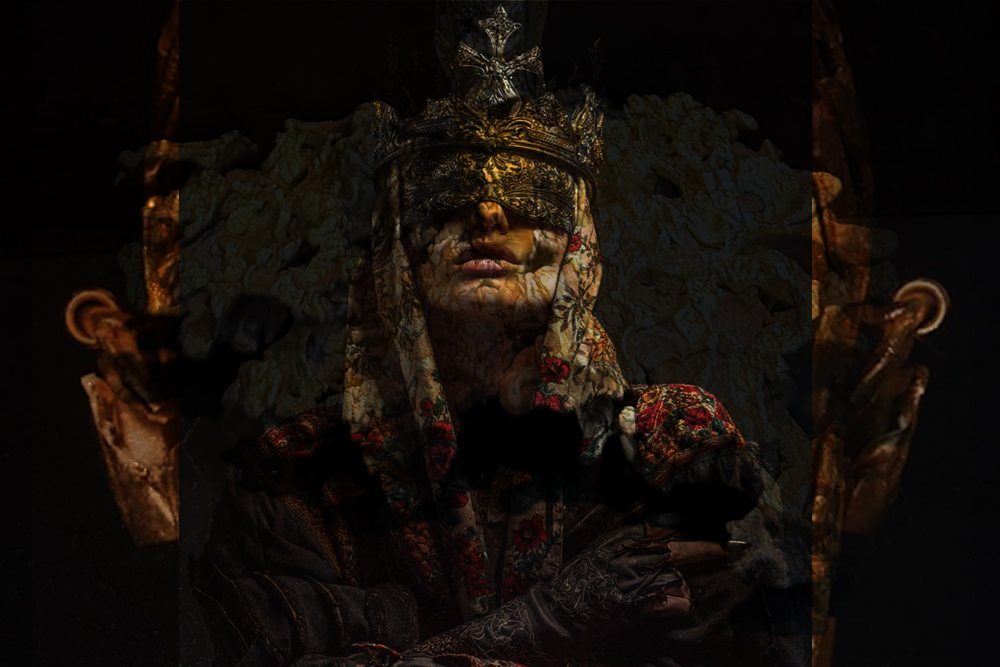
Sleepy Trees – Light, Time, and Stillness
Sleepy trees rest within the golden breath of summer, where sunlight drifts softly through leaves like a quiet benediction. The air moves gently, carrying warmth and luminosity, and the branches — poised between motion and stillness — appear to reach outward with an almost human grace. There is an invitation within their form, a silent gesture of connection between nature and observer. Light becomes the storyteller.
Golden rays weave through the canopy, shifting and dissolving across textures and contours, revealing a living architecture shaped by time itself. Every leaf refracts brilliance, every branch casts delicate shadow, creating a rhythm that feels both intimate and eternal. In this fleeting dance of illumination, the trees seem to breathe with the atmosphere, their presence softened yet enduring. Yet beyond the movement of light and season lies something deeper.
Time flows continuously around them — season arriving, season departing — while the tree remains. Summer yields to autumn, stillness gives way to renewal, and cycles unfold without urgency or resistance. The tree does not pursue change; it receives it. It stands as a quiet witness to continuity, grounded in an existence that transcends momentary experience. Within this infinite patience resides a profound serenity.
The tree holds its history not through voice but through presence. Rings hidden beneath bark, textures etched by years, forms shaped by unseen forces — all speak of endurance without declaration. Silence here is not absence, but fullness: a state of being untouched by haste, untouched by noise. These golden trees, interpreted through art, carry that same spirit.
They are gestures of light and stillness, reflections of nature’s timeless composure translated into form. Their surfaces capture warmth, their contours echo organic movement, and their presence within a space evokes calm, continuity, and quiet contemplation. They do not merely adorn; they resonate.
To encounter them is to engage with an atmosphere rather than an object — a reminder of the gentle constancy of the natural world, of beauty that does not demand attention but rewards stillness.
Season comes.
Season goes.
The tree remains.
And these golden forms, inspired by that eternal rhythm, are offered to be enjoyed not for a moment, but for eternity.
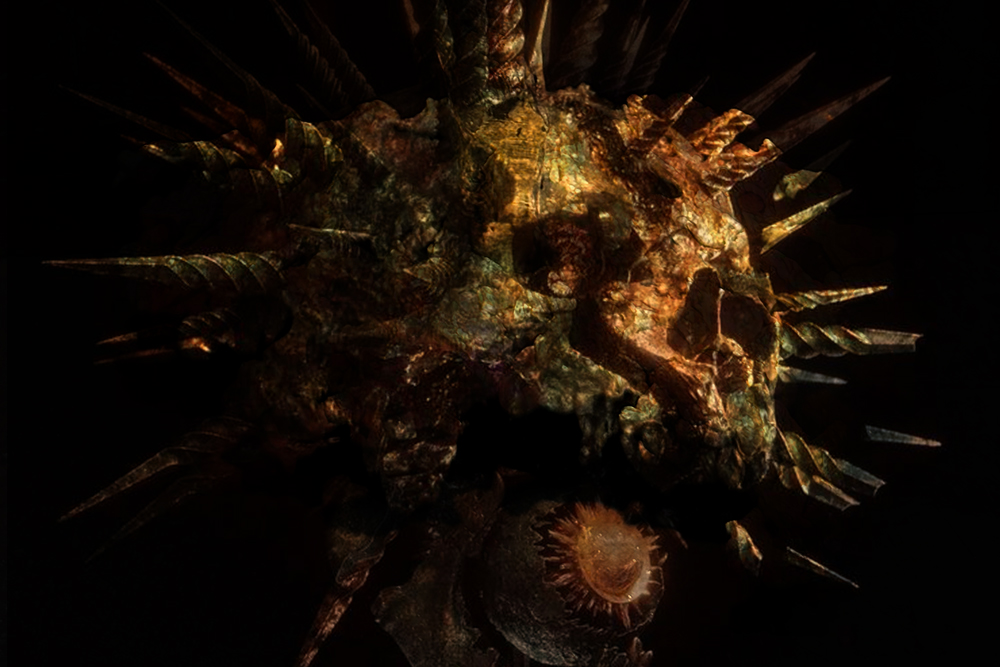
Scorched Earth – The Language of Wood and Fire
The deep, gorgeous brown tones that emerge upon the wood are created through a distinctive and carefully controlled process — our own refined technique of scorching within dry, high-heat ovens. This method is not merely a treatment of surface, but a deliberate transformation of material, where fire becomes an instrument of texture, tone, and expression.
Through this interaction with heat, the wood reveals an entirely new character. Subtle variations in grain, density, and natural structure respond uniquely to the process, producing surfaces that are rich, layered, and visually alive. No two pieces react identically, ensuring that every work carries an unrepeatable visual identity shaped by the organic nature of the material itself. This approach is deeply rooted in the rhythms of the natural world.
Across forests and landscapes, fire has long played a paradoxical yet essential role. Natural fires, though often perceived solely as destructive, are in fact agents of renewal — clearing, reshaping, and enabling regeneration. Ecosystems adapt, seeds awaken, and life re-emerges through cycles that have governed the earth for millennia. Destruction and creation exist not as opposites, but as partners within a continuous ecological balance. The scorched surfaces of the wood echo this ancient dialogue.
They carry the visual memory of heat and transformation, mirroring the processes through which nature itself reshapes forests and trees. The resulting tones — deep browns, charred blacks, and warm gradients — evoke both resilience and rebirth. What might appear as burning becomes instead an expression of continuity, an aesthetic reflection of nature’s capacity to renew itself. Within this material language lies a sense of timelessness.
Fire, wood, and time have been intertwined since the earliest landscapes. The markings produced through scorching are reminiscent of forces far older than any single object — elemental gestures that suggest history, endurance, and the quiet passage of centuries. Each surface becomes a record of controlled intensity, of energy translated into texture. Far from being an act of damage, the process is one of revelation.
It draws forth patterns, contrasts, and tonal depth that remain hidden within untreated wood. The material is not masked but awakened, its natural structure accentuated through transformation rather than concealment. In this way, the work becomes more than aesthetic.
It embodies a philosophical continuity with nature’s own cycles — an acknowledgement that beauty often emerges through change, that renewal may arise from intensity, and that material carries memory as much as form. The wood is not simply altered. It is given a new voice shaped by the elemental language of fire.
The Halo – A Language of Stillness and Light
Calm, peaceful, and halcyon — a state where movement and stillness coexist without conflict. The atmosphere is neither silent nor restless, but gently alive, like a quiet current of golden air flowing through consciousness itself. Light becomes sensation.
Golden tones emerge not as colour alone, but as emotion — warmth without weight, radiance without intensity. They carry a tranquil force, unruffled and stormless, where serenity feels both expansive and intimate. Within this space, even contrasts harmonise: the roaring energy of existence softened into something temperate, pleasant, and deeply still. There is a peculiar beauty in such balance.
Forms appear to breathe rather than stand. Edges dissolve into glow. Shadows do not obscure but cradle light, creating a rhythm that feels fluid, almost dreamlike. The experience is neither passive nor overwhelming; it is immersive, flowy, and quietly joyous. This is the essence of the halo.
In the artistic language of Mark Piazza, the halo is not merely a visual motif, but a field of perception — an equilibrium between inner and outer worlds. It suggests a golden oar of balance, guiding awareness across the shifting waters of thought and feeling. Consciousness becomes something navigable, luminous, and gently held. Stillness here is not emptiness.
It is fullness without turbulence. A placid state where the mind is neither pulled nor fragmented, but gathered into clarity. Bewilderness transforms into wonder; motion becomes grace; presence becomes ease.
Divinity is infinity.
Infinity is divinity
Within the halo, these are not abstractions but sensations — the feeling of continuity without boundary, of light without origin or conclusion. An angelic quietness permeates the atmosphere, not dramatic or distant, but subtle and constant, like a golden equilibrium underlying perception itself.
Serene.
Quiet.
Unruffled.
A tranquil field where light, form, and awareness converge into harmony.
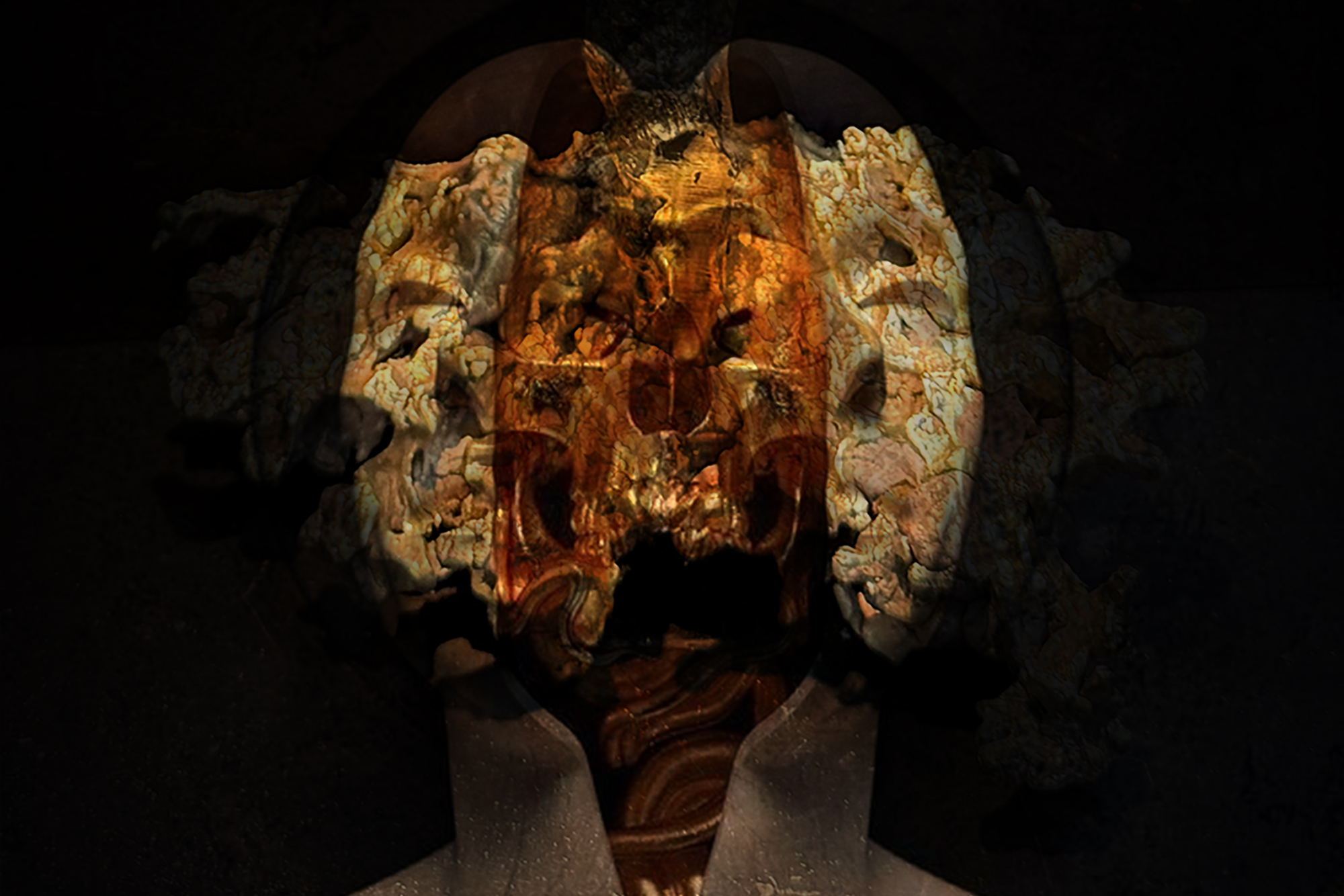
English Eden – Wood, Fire, and Form
Through our delicate and traditional burning technique, the wood reveals one of its most compelling qualities — the exposed, natural organic edge. This is not an imposed design, but a dialogue with the material itself, allowing fire and heat to uncover textures, contours, and transitions that remain hidden within untreated surfaces. The process is guided by patience and repetition.
Smoking, heating, and carefully repeating each stage, the wood is gradually transformed. Heat alters tone and structure, while the slow accumulation of treatment refines depth and character. No moment is rushed; the material is allowed to respond, to shift, to develop its own visual language. After this cycle of controlled intensity, the surface is meticulously polished, enhancing contrast while preserving the integrity of the organic form. Rest is essential to the work.
Once polished, each piece is left undisturbed, allowing the material to settle into equilibrium. This period is not passive but integral — a quiet phase where texture, tone, and structure stabilise. The wood, having undergone elemental transformation, reaches a state of balance between rawness and refinement. Only then are the complementary elements introduced.
Over time, one-off, uniquely forged and sculptural brass forms are placed with deliberate care. These are not decorative additions but compositional counterparts — carved, shaped, and positioned to harmonise with the living geometry of the wood. The union of brass and scorched surface evokes a conversation between materials: warmth and radiance against depth and texture, permanence against organic irregularity. Wood, fire, and earth converge.
Each piece embodies this triad of elements — the grounding presence of wood, the transformative force of fire, and the enduring weight of earth expressed through brass. Together they create objects that exist between sculpture and artefact, between natural memory and artistic intervention. No two works are ever repeated.
Variation is inherent, for both wood and flame resist uniformity. Grain shifts, heat responds, and surfaces evolve, ensuring that every creation remains singular — an unrepeatable expression of process and material encounter. This is the philosophy of English Eden.
An exploration of elemental beauty, organic form, and quiet luminosity, inspired by the timeless presence of trees, landscape, and memory. An artistic language where transformation, texture, and balance define the experience.
Enjoy the art of English Eden,
the trees of Blenheim,
and the vision of Piazza —
a dialogue between nature and form.
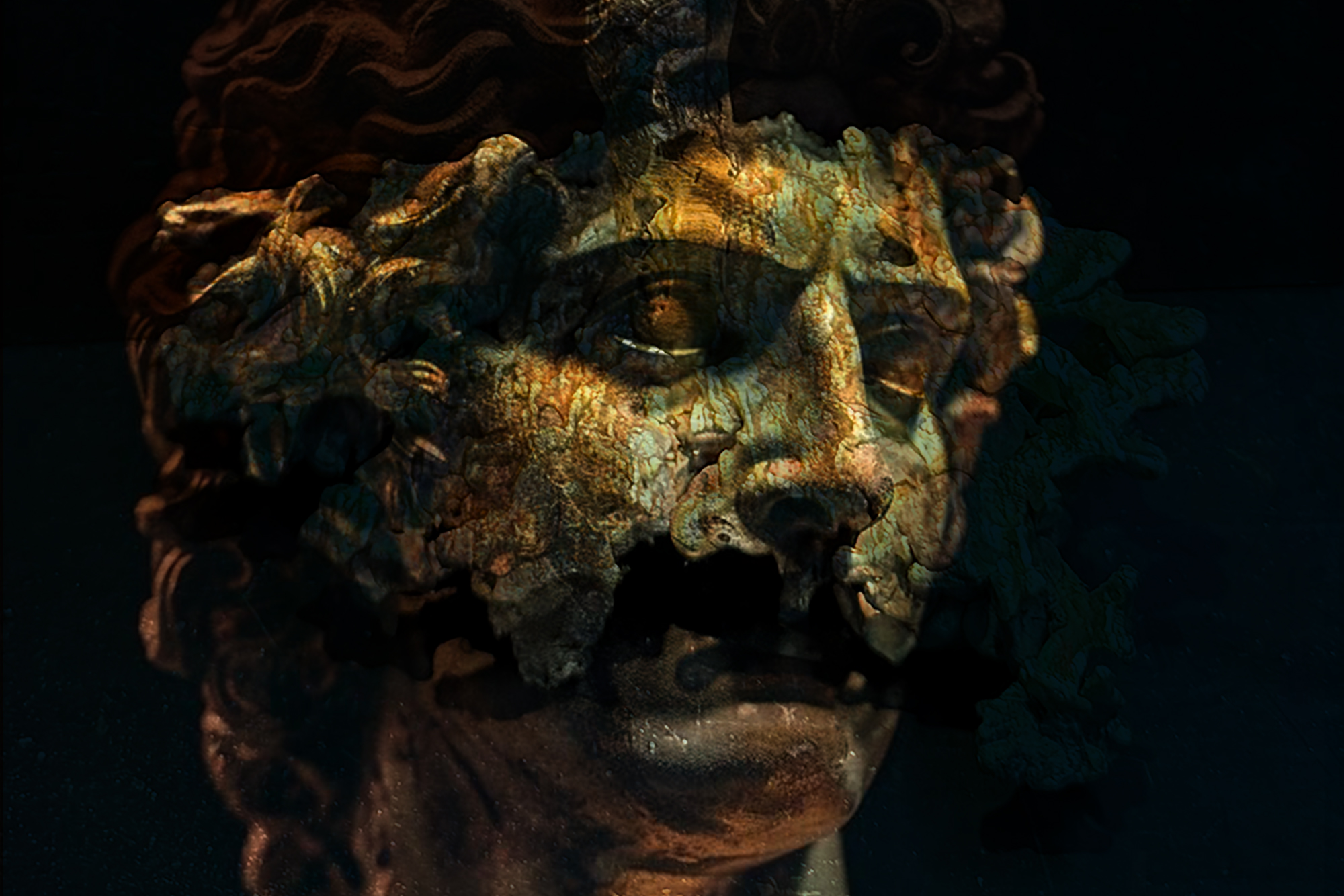
Angelica Momentum – The Halo of Purity
Angelica Momentum emerges as an expression of ascent — a movement toward the pinnacle of human purity, where form, light, and perception converge into something both luminous and transcendent. Purity here is not stillness, but pursuit; not perfection, but a continual act of refinement, of becoming. Within this vision, the halo stands as both symbol and presence.
It is a historic gesture, echoing ancient notions of blessing, illumination, and the delicate threshold between heaven and earth. The halo does not simply adorn; it emanates. It suggests a quiet radiance — an aura of balance, clarity, and elevated consciousness that surrounds and permeates each piece. Fire is central to this language of creation.
Through forging and transformation, material undergoes a passage akin to purification. Heat reshapes, intensifies, and reveals, allowing substance to move beyond its prior state. Fire becomes both instrument and metaphor — a force through which presence is clarified and essence is distilled. What remains is not merely object, but resonance.
Each work carries the suggestion of euphoric love and a flow of what may be understood as divine intelligence — an energy that feels at once emotional, philosophical, and sensory. The surfaces shimmer not only with lustre, but with implication: light made tactile, radiance made experiential. The halo of Mark Piazza exists within this continuum.
It is encountered not as decoration but as atmosphere — a luminous equilibrium that binds material and meaning. Every piece is entirely unique, a one-off emergence shaped by process, variation, and intuitive dialogue with form. No repetition, no replication — only singular presence. These works do not ask merely to be observed. They invite absorption. Reflection. Connection.
Their radiance suggests something beyond visual experience — a subtle engine of stillness and elevation, where light, texture, and symbolism converge into a quiet intensity. The viewer does not simply see the work, but inhabits its ambience, encountering a sensation of depth that resists immediate definition. Purity becomes experience rather than concept.
An encounter with balance, luminosity, and the quiet ecstasy of perception itself. A reminder that art may function not only as form, but as a conduit — a space through which one senses continuity, presence, and something gently greater than the material world alone. The halo remains. And each masterpiece stands alone, awaiting connection.
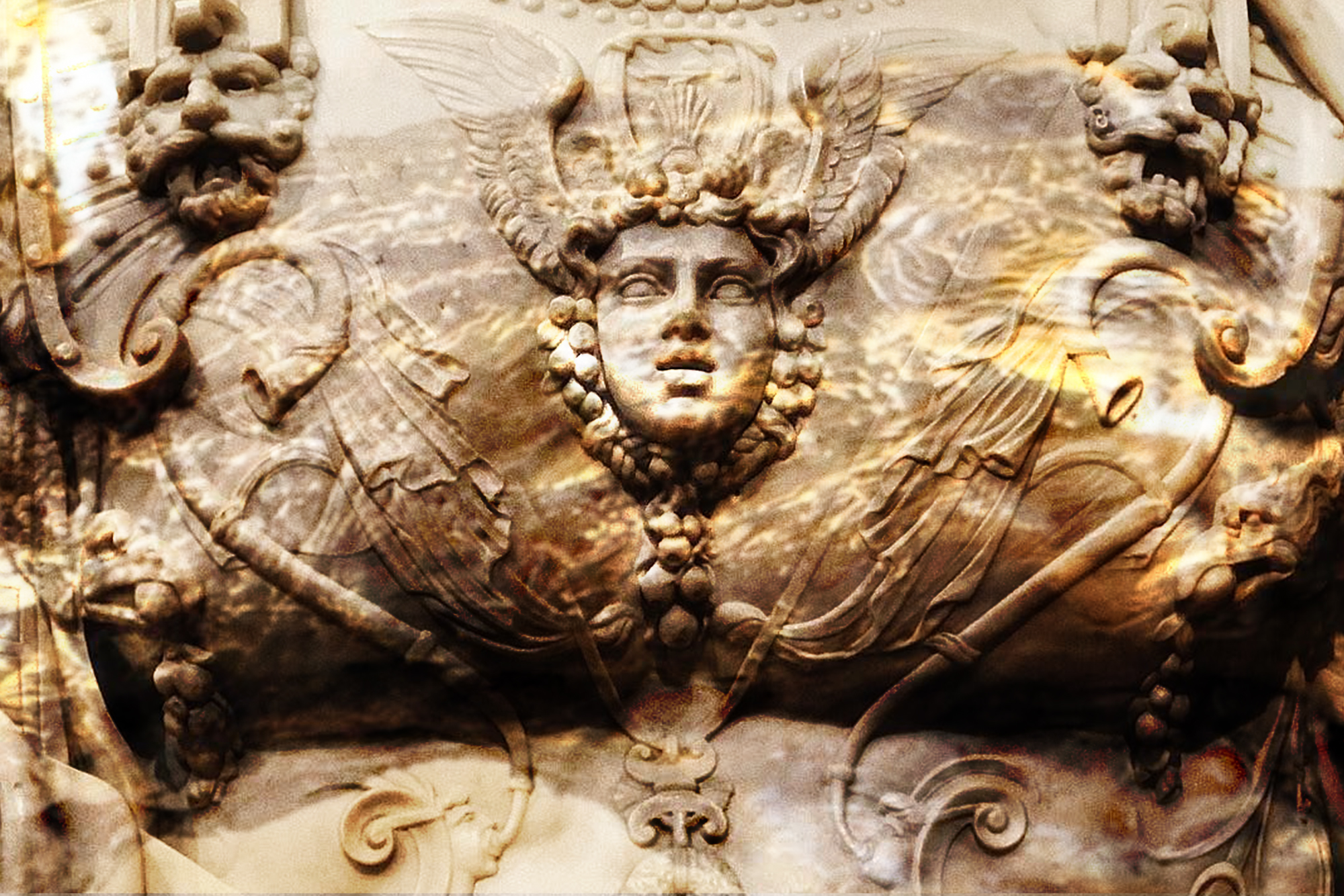
Angelica Momentum – The Halo of Purity
Angelica Momentum speaks to the pinnacle of human purity — not as perfection, but as an enduring pursuit. Purity, to purify, to move toward refinement of presence and perception. It is a state not fixed, but unfolding, carried by motion, awareness, and quiet transcendence. This vision is adorned by the halo.
The halo emerges as a symbolic threshold between heaven and earth — a historic and poetic blessing expressed through light, form, and material. It is neither decorative nor literal, but atmospheric: an aura of presence suggesting the convergence of the spiritual and the tangible. Within this field of luminosity, matter appears touched by something beyond itself. Fire becomes the transformative force.
Forged through elemental intensity, fire reshapes material as nature itself reshapes landscapes. It is both energy and passage — an agent of change through which surfaces awaken, textures deepen, and tone acquires memory. What remains is not the trace of destruction, but the imprint of transformation: warmth, radiance, and depth fused into form. Here, purity is expressed through sensation.
Golden luminosity, softened edges, and reflective surfaces evoke a state of serenity and elevation. The work invites immersion rather than observation, offering an encounter that is at once visual, emotional, and contemplative. Presence becomes experience; light becomes language. The halo of Mark Piazza resides within each piece.
Every work is entirely unique, shaped by processes that resist repetition. No surface, contour, or reflection is ever identical. Each piece stands as a singular manifestation — a one-off, a complete expression of material dialogue and artistic intention. Variation is not incidental but essential, mirroring the individuality inherent in both nature and human perception. These works do more than reflect light.
They suggest an engine of resonance — a quiet transmission of atmosphere capable of evoking stillness, clarity, and emotional elevation. Their presence within space alters perception, drawing the viewer into a state that feels both grounding and expansive, intimate and infinite. This is more than lustre.
It is an invitation to absorb, to connect, to engage with something that feels at once deeply personal and universally symbolic. The experience becomes less about the object and more about the state it cultivates — a gentle alignment with calm, balance, and contemplative awareness. Angelica Momentum is thus not simply seen.
It is felt, inhabited, and quietly understood — a luminous gesture toward harmony between material, light, and the enduring human attraction to the idea of transcendence.
The Halo – Presence, Light, and Divinity
The halo has long stood as one of humanity’s most enduring symbols — a visual language of illumination, consciousness, and the suggestion of the divine. Across centuries of artistic and spiritual tradition, it has adorned saints and angels, representing purity, guidance, and a presence believed to transcend the ordinary boundaries of existence. Yet the halo is more than an inherited motif.
It is an idea woven deeply into human perception — a manifestation of light as meaning, radiance as awareness, luminosity as elevation. It signifies not hierarchy, but intensity of presence: a state where inner clarity and outer form appear harmonised. The luminous becomes inseparable from the living.
Within this vision, the halo reflects the pinnacle of human contemplation — the consciousness of something greater, quieter, and enduring. It suggests the possibility of uncorrupted presence, of stillness untouched by noise, of perception refined into serenity. In the artistic language of Mark Piazza, the halo is reimagined.
It is not merely depicted but embodied through light, tone, and form. Golden luminosity, reflective surfaces, and fluid contours create works that seem to carry their own atmosphere — objects that do not simply receive light, but appear to emanate it. The visual experience becomes immersive, where glow and structure merge into a singular sensation. Each piece exists as a true one-off.
No repetition, no duplication, no replication of surface or presence. Variations in material, texture, and process ensure that every work emerges as a singular event — a unique convergence of gesture, transformation, and perception. The art resists uniformity, much like the natural forces that inspire it. What the viewer encounters is not only form, but aura.
Light glides, reflections shift, and surfaces respond to their environment with quiet unpredictability. The halo becomes experiential rather than symbolic alone — a field of luminosity that alters space, mood, and awareness. Presence itself becomes the medium. This is not art bound by convention or precedent.
It is a visual and atmospheric language that feels both ancient and entirely new — rooted in humanity’s oldest symbolic instincts while existing beyond familiar categorisation. The works stand apart, not through spectacle, but through resonance and rarity of sensation. The halo here is not an ornament of the sacred.
It is an exploration of divinity as perception, as light, as the subtle equilibrium between material and consciousness. A suggestion that radiance itself may be a form of meaning.
This is the halo of Mark Piazza —
where luminosity becomes presence,
and presence becomes art.
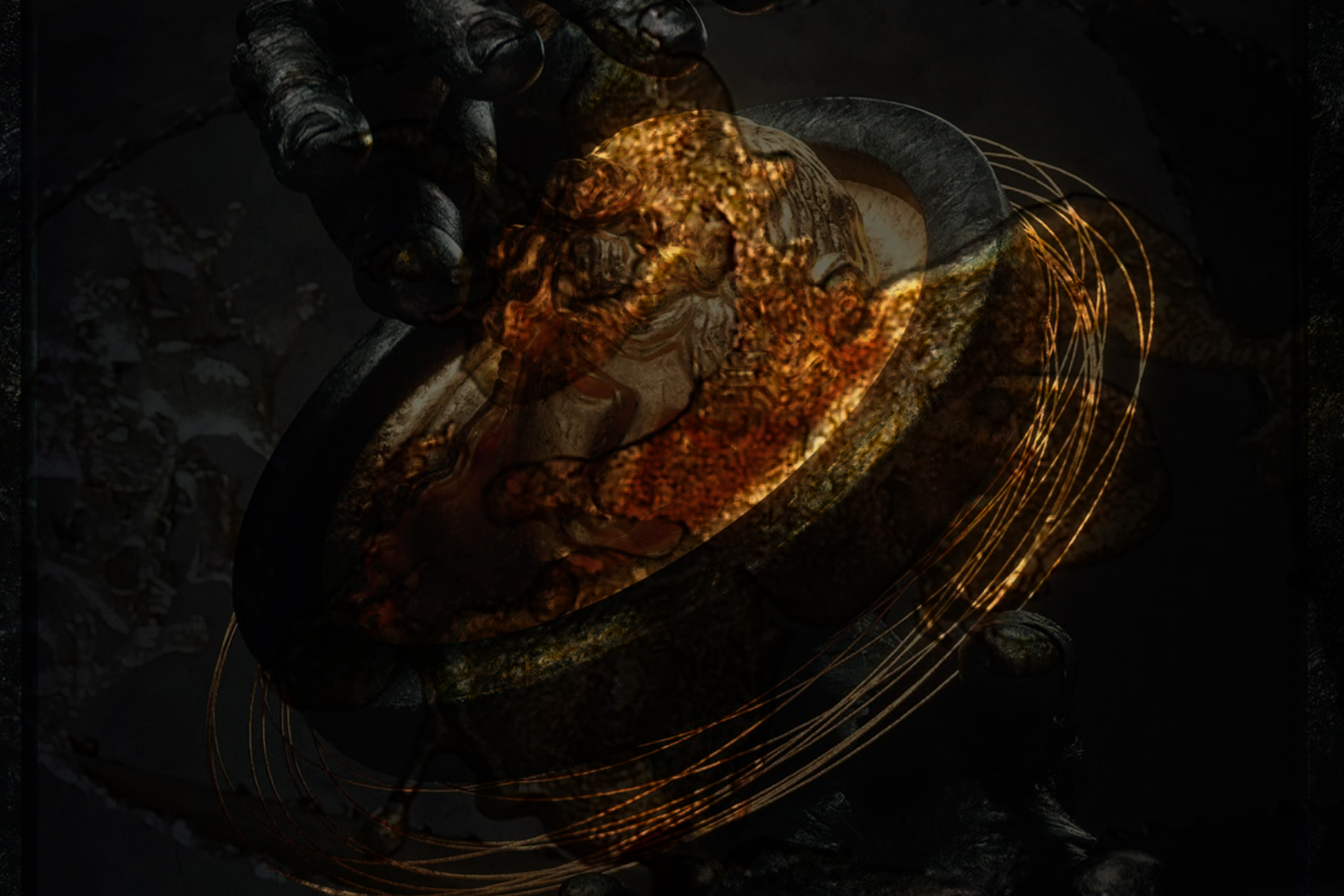
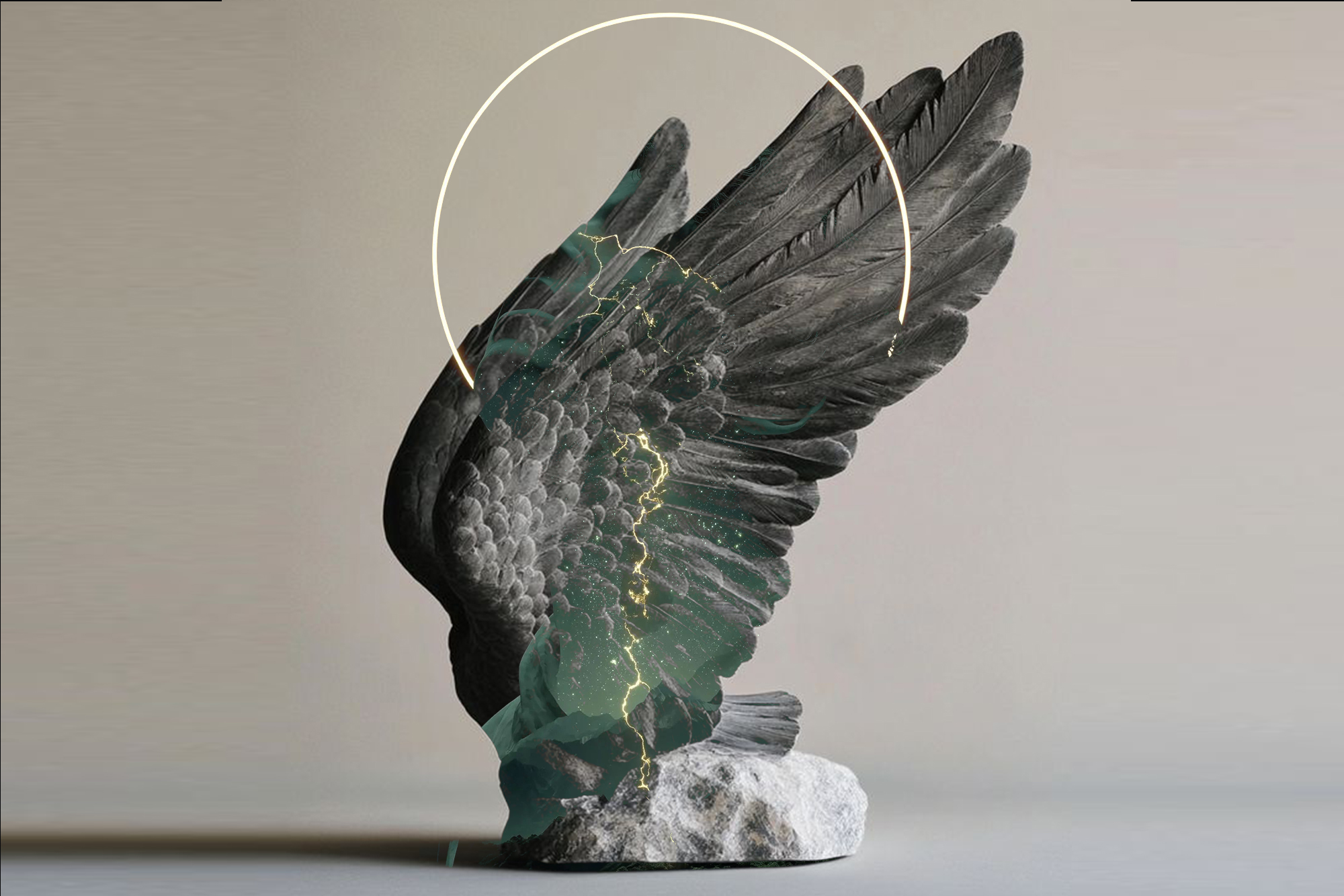
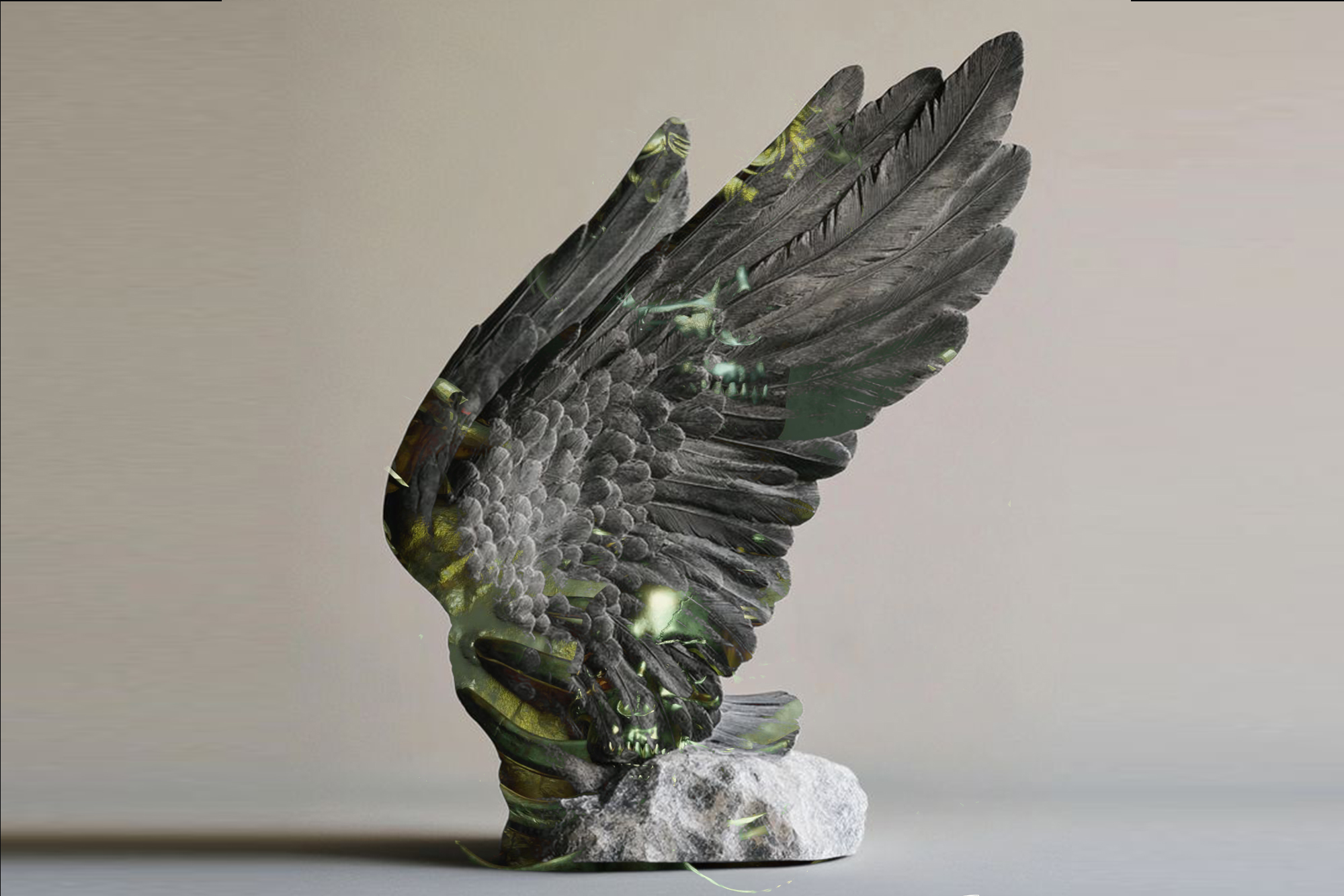
Halo Pinnicle of Purity
Eccentric and Surreal – The Storm of Perception
Eccentric and surreal, the moment of creation arrives not quietly, but with the force of atmosphere itself. Like distant pressure gathering within the sky, the energy builds — unseen yet undeniable — until thought, sensation, and emotion converge into a sudden and luminous release.
Art emerges as a storm. It fractures stillness like lightning across a darkened horizon, electric and instinctive. Flashes of vision ignite within the mind, vivid and unpredictable, illuminating fleeting structures of feeling before dissolving once more into movement. Electric purples, radiant bursts, and transient brilliance echo the restless choreography of nature’s own forces.
Creation is not linear. It surges, spirals, collides — much like the turbulence of hurricanes, typhoons, and tornadoes. Internal pressures accumulate within perception, memory, and emotion, seeking release. The artist becomes both observer and participant in this elemental exchange, where intensity gives birth to form.
Yet within the storm lies rhythm. Violence softens into flow. Energy disperses into movement. What begins as tension gradually transforms, breaking into smaller currents — breezes of clarity, smoother passages of awareness. The same forces that once roared now whisper, carrying fragments of insight shaped by their passage.
This is the paradox of the surreal.Chaos and harmony are not opposites, but phases of the same unfolding motion. The storm does not oppose serenity; it generates it. Turbulence refines perception, stripping away rigidity and expectation, allowing new structures of thought and feeling to take shape.
The mind becomes landscape. Flashes of intuition ripple like lightning across consciousness, while emotional currents shift like atmospheric pressure. Art is born not from stillness alone, but from the dynamic tension between unrest and resolution, intensity and release.
Until that moment, the energy gathers. Invisible yet alive, awaiting its transformation into light, texture, and form — awaiting the storm through which perception becomes creation.
Time, Pain, and the Silent Force of Creation
Time again. Time over. Cycles without ceremony, without pause. Pain becomes rhythm — repeating, insistent, unyielding. Push, push. Endeavor, persevere, endure. Each movement forward feels carved from resistance, as though existence itself presses back with invisible weight. Effort is no longer action but survival, a continuous negotiation with unseen forces. Smoke gathers within the mind like drifting clouds.
Thoughts blur, dissolve, reform. Loneliness settles not as absence but as atmosphere — a presence that fills the spaces between intention and exhaustion. The world narrows into sensation: pressure, repetition, persistence. Push, push. Persevere against currents that cannot be named, only felt. Pain returns, then deepens.
Not sharp, but pervasive. A gravity of emotion saturating perception, shattering coherence, fragmenting stillness. The hands, though weary, continue their motion. Movement becomes instinctive, detached from reward or recognition. Creation is no longer pursuit of applause but an inevitability of being. Then the rain arrives. A quiet transformation of the landscape. Tranquility does not erase pain but harmonizes with it, dissolving edges, softening turbulence. Beneath the falling rhythm of water, tension and release coexist. The storm yields not resolution, but a fragile equilibrium where emotion breathes without breaking.
Energy persists beyond comfort. An electrical flicker within consciousness — restless, luminous, unstable. The mind pulses with fragments of light and shadow, sparks of vision colliding with exhaustion. Fire flows not as destruction, but as expression: intensity seeking form, sensation seeking structure.
Still, the motion continues. Push, push. Against fatigue, against silence, against the vast indifference of time. Resilience here is not triumphant but relentless — a refusal to cease, even when progress feels invisible. Art forms not through ease, but through endurance of pressure and persistence of will. No applause. No witness. Only silence — vast, unbroken, consuming.
Yet within that silence lies paradox. Loneliness becomes space, and space becomes possibility. In absence of noise, perception sharpens. In isolation, creation finds its purest and most uncompromising voice. Silence is loneliness.Loneliness is joy.
For within the quiet, something remains undefeated — the force that continues, that pushes, that transforms pain into presence, and presence into form.
Journey of the Artist – The Paradise of Paradox
And so this is the journey — a passage not always recognised or understood, unfolding within a reality that feels at once luminous and paralysing, a paradise of contradictions where clarity and uncertainty coexist and meaning shifts like light through moving clouds. Existence becomes dreamlike as we move between inner worlds as though crossing invisible thresholds, leaping from dream into dreams and waking only to discover that perception itself is fluid, that certainties dissolve, boundaries blur, and beneath the visible something else quietly moves — unseen yet insistent — urging the search for difference.
This search is rarely gentle. It is shaped by darkness, long seasons of doubt, and the weight of poverty and loneliness that do not simply surround the artist but inhabit the landscape of consciousness itself. Time stretches, silence deepens, and the world narrows into endurance — into the quiet necessity of continuing despite the absence of recognition or relief. Yet within this hardship something elemental forms, as struggle becomes catalyst rather than conclusion; deprivation sharpens perception, loneliness intensifies awareness, and pain, though heavy, becomes strangely generative — an uninvited but relentless teacher through which authenticity emerges not as a concept but as the survival of the inner voice.
The artist is not manufactured. Like a star born through unimaginable forces, creation arises from tension, compression, and release. A supernova does not apologise for its intensity; it becomes light through collapse and explosion, and so too does the creative spirit ignite — driven by necessity and an organic compulsion to transform inner turbulence into form.
From this emerges loyalty to creativity: not ambition or performance but devotion, a humility before the act of making and a grounding in process rather than outcome. There is gratitude for the simple and profound privilege of expression — to shape perception, to give structure to the unseen, and to flow with forces that feel larger than the self.
Art becomes more than creation; it becomes connection. Across time, culture, and consciousness the arts have served as one of humanity’s most enduring bridges, linking emotion to meaning, sensation to understanding, and the self to something beyond itself. Through art experience is translated into presence, the invisible acquires form, and isolation finds resonance.
In this way art approaches the language of the infinite. It nourishes the interior world, allowing the soul to expand beyond the confines of circumstance as meaning spirals outward without boundary, suggesting continuity rather than conclusion. Expression becomes a gesture toward eternity — a quiet alignment with something vast, mysterious, and enduring.
The journey remains paradoxical: pain and beauty, darkness and illumination, solitude and connection exist not as opposites but as intertwined movements within the same unfolding path. Within this tension lies the peculiar grace of the artist’s existence, where creation itself becomes both refuge and revelation — a spiral of connection stretching toward infinity.
English Eden – The Timeless Presence
English Eden presents a vision of art that transcends the ordinary boundaries of object and image. Within this world, creation becomes more than form; it becomes presence, atmosphere, and a quiet reverence for the forces that shape existence. Each piece emerges as an expression of the angelic and the timeless — not in a literal sense, but through sensation, through luminosity, balance, and a stillness that feels untouched by the urgency of time. The works carry an aura of contemplation, evoking something both intimate and infinite, as though they exist between material reality and symbolic resonance.
The inspiration is elemental. Cast from the language of trees — forms shaped by centuries of endurance and silent growth — the pieces echo the living architecture of nature. They are not representations of landscape but translations of its essence: organic rhythm, quiet strength, and the poetry of structures that have witnessed the passage of generations. Within this philosophy, nature becomes memory made visible. Wood, texture, and surface suggest histories older than human presence, their grain and contour appearing as inscriptions of time itself, carrying a dignity that feels both grounded and transcendent. The material is not merely shaped but revealed, its inherent character guiding the final form.
Uniqueness is absolute. No two works can be replicated, for the processes, materials, and interactions that give rise to them are fluid and unpredictable. Variation is not deviation but identity, and each piece stands as a singular event — unrepeatable, self-contained, and alive with its own visual and atmospheric language.
The works of English Eden seek to evoke deeper reflection, gesturing toward the idea of the divine not through depiction but through presence — through harmony, light, and equilibrium that suggest something beyond the immediate. The experience becomes one of perception and feeling, where the viewer encounters not only art but a subtle state of awareness.
These creations are not bound by trend or convention. They exist as timeless forms — contemplative, luminous, and distinctly individual — carrying within them a quiet dialogue between nature, material, and imagination. They are offered not simply to be seen, but to be experienced.
Venice – The City Rooted in Trees
Venice carries one of the most extraordinary relationships between nature and architecture ever realised. At first glance the city appears to rise effortlessly from the water, stone palaces, bridges and narrow passages floating upon the lagoon like a vision detached from earth. Yet beneath this delicate beauty lies a hidden world of wood, an unseen forest supporting an entire civilisation. Venice is, quite literally, a city born from trees.
For centuries vast numbers of timber piles were driven deep into the soft sediments of the Venetian lagoon to create stable foundations. These were not incidental materials but essential structural elements, forming the silent framework upon which the city’s iconic buildings would stand. Long before modern engineering, wood became the bridge between instability and permanence. The paradox is remarkable.
Wood, a material often associated with fragility and decay, became the source of endurance. Submerged beneath water and deprived of oxygen, the timber resisted decomposition. Over time mineral-rich conditions transformed and hardened the piles, allowing them to carry immense architectural weight across generations. Invisible yet indispensable, forests became foundations.
Entire landscapes contributed to Venice’s existence. Timber was transported from distant regions, carried across rivers and trade routes, linking the fate of mountain woodlands and continental forests to the rise of a maritime city. Nature, industry and imagination converged in a feat of collective ingenuity. The city thus embodies a concealed dialogue with the natural world.
Stone façades and marble surfaces present an image of solidity and grandeur, yet their stability depends upon organic forms hidden below the waterline. Beneath every structure rests a submerged architecture of trees, silent, ancient and essential. There is something profoundly poetic in this reality.
A city celebrated for its elegance and mystery is anchored not by visible monuments but by transformed fragments of living forests. The organic becomes structural, the ephemeral becomes enduring. Trees, once rooted in soil, now root an entire city. Venice is not merely surrounded by water. It is supported by the memory of wood, by the quiet persistence of trees that continue, unseen, to bear the weight of history.
The Underworld of Venice – Wood, Memory, and Mystery
Beneath the luminous surface of Venice lies a reality rarely perceived yet fundamentally essential, a hidden underworld shaped not by stone or ornament but by forests, wood and trees transformed through human ingenuity. The city’s visible splendour rests upon an invisible architecture of timber where organic forms quietly uphold the weight of centuries.
This unseen foundation is a story of transformation. Trees, once rooted in distant landscapes, were cultivated, harvested and reimagined as structural lifelines, millions of wooden poles driven deep into the sediment of the lagoon. These silent pillars, concealed beneath water and time, became the stabilising force that allowed a city of extraordinary delicacy to rise where permanence seemed impossible.
Strength here is paradoxical. Wood, often associated with impermanence, becomes the agent of endurance. Submerged within the lagoon’s mineral rich environment, the timber resists decay, gradually hardening, adapting and persisting. What was once living forest evolves into a quiet enduring framework, nature reconfigured into stability.
From this hidden architecture emerged a civilisation of movement and exchange. Venice flourished as a nexus of trade, culture and enterprise, its waterways connecting worlds far beyond the lagoon. Beneath the commerce, artistry and human narrative lay the silent labour of wood, unseen yet indispensable, grounding a global enterprise within organic foundations.
Mystery is inseparable from this reality. The forests that support Venice are neither visible nor celebrated in daily perception. They exist as presence without spectacle, a concealed strength that sustains beauty without announcing itself. The city thus becomes a dialogue between surface and depth, between radiance and structure, between what is seen and what quietly endures.
This interplay resonates profoundly within the artistic vision of Mark Piazza. His work captures not the literal image of Venice but its underlying philosophy, the tension between concealment and revelation, fragility and resilience, light and substance. Wood becomes both material and metaphor, embodying memory, endurance and the silent forces that hold worlds together.
Marco Piazza – Gold, Wood, and the Spirit of Venice
Beautiful shimmering becomes a dialogue of light, material and memory. Gold and wood meet not as contrasts but as companions, each enhancing the other’s presence. The warmth of golden luminosity settles into the organic depth of wood, creating an atmosphere that feels both elemental and transcendent.
Within this union Venice finds expression. The city of reflections, mystery and silent endurance flows through the artistic language of Marco Piazza. Here Venice is not rendered as architecture or geography but as sensation, a living convergence of history, craft and unseen foundations. Light glides like water. Surfaces echo time. Materials speak of transformation.
Gold becomes more than colour. It suggests radiance shaped by centuries of human striving, the triumphs of builders, the resolve of merchants, the quiet solidarity of comrades whose lives moved with the rhythms of the lagoon. Beneath every visible achievement lies the hidden world, forests transformed into strength, wood sustaining stone, nature anchoring civilisation.
Memory resides within material. Like molten glass capturing fire and light, golden reflections shimmer with movement and depth. Fluidity and solidity coexist. The glow of gold recalls flame, commerce, vision and aspiration, the energies that once animated the waterways of Venice and carried its influence across worlds.
Wood, grounded and enduring, forms the counterpoint. Its textures evoke growth, time and organic continuity. Its surfaces absorb and temper light, suggesting permanence beneath brilliance. Together gold and wood create a quiet equilibrium, radiance resting upon nature, luminosity anchored in substance.
Through this language Venice is reimagined as myth and atmosphere, a realm where history and imagination converge, where hidden forests uphold visible splendour and legends breathe through material and form. The city’s mysteries become tactile and luminous, translated into works that invite perception rather than explanation.
This is the art of Marco Piazza, an exploration of shimmer, memory and elemental synergy where molten luminosity, golden light and organic wood merge into a presence that feels both timeless and alive.
Enjoy the harmony.
Absorb the radiance.
Experience the reflection of light within form.
A New Way to Experience the Art
Art should not feel distant or unreachable. It should live with you, evolving, inspiring, and present within everyday life.
Through a simple monthly exchange of £6, £9, or £12, you are invited into a new way of experiencing artwork. Creativity becomes accessible, shareable, and sustainable. Instead of a single purchase, it becomes an ongoing relationship with the art.
Each month the connection continues. You and your family can enjoy the evolving collection, discover new expressions, and remain part of a growing creative network. Art moves from being a static object to a living presence that accompanies daily life, conversations, and shared moments.
Affordability does not reduce value. It expands opportunity.
This approach allows more people to engage with the work and experience its atmosphere, depth, and individuality without barriers. It remains personal yet inclusive, contemporary yet meaningful.
Within this network art becomes communal as well as individual. You can share it with friends, discuss it, live with it, and allow it to shape the atmosphere of your space. Over time it becomes part of your rhythm, something to return to, reflect upon, and grow with.
Enjoy the artwork.
Enjoy the connection.
Welcome to a new way of living with creativity.