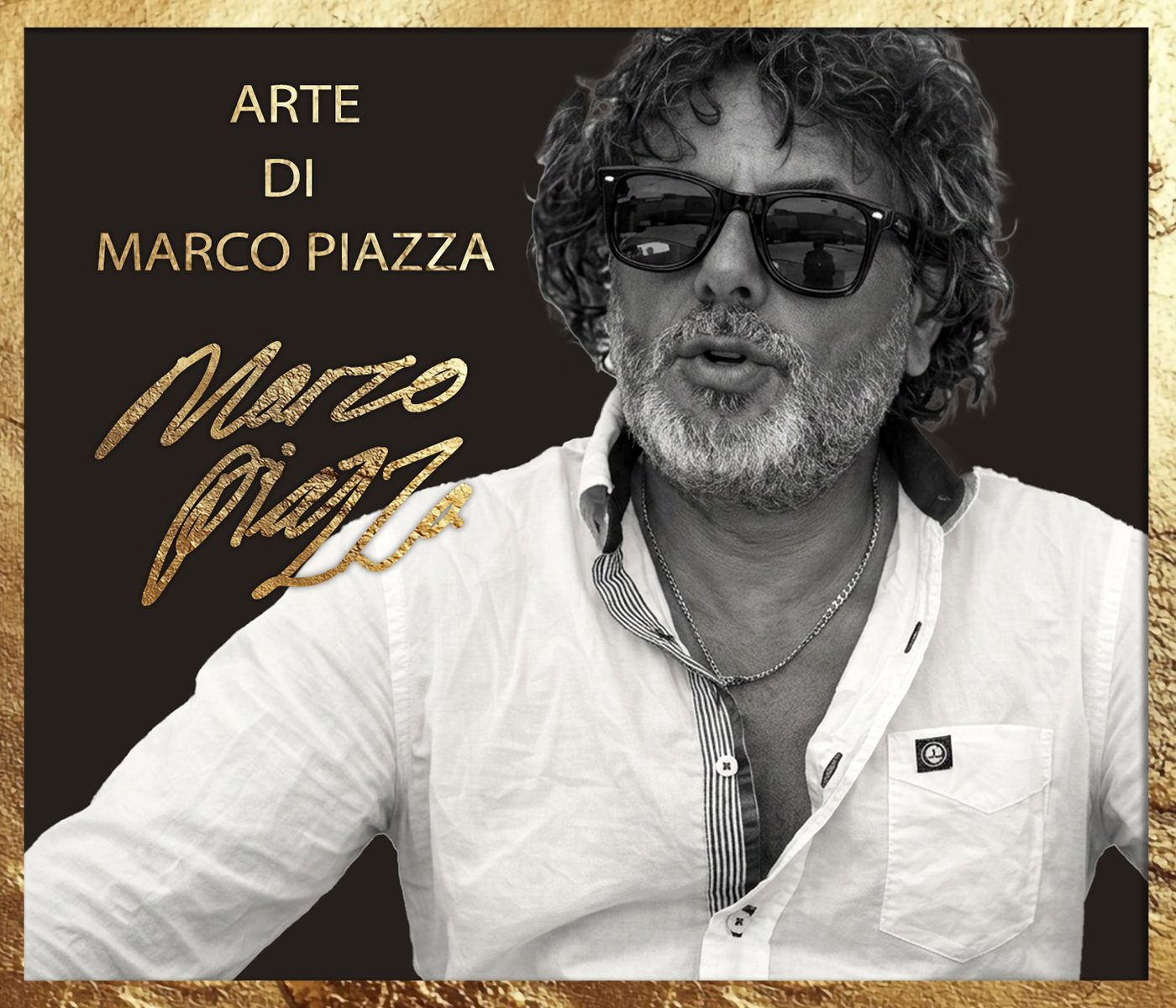
I am preparing exciting & extraordinary art for your eyes.
Launching in
Follow Us
Hello again I am Gnosis
The Story, My Story
Time again. Time pressing forward with no mercy. Push. Push. Endure.
Endure through mental exhaustion when thought becomes heavy and slow. Endure through physical exhaustion when the body trembles, when the muscles no longer obey with grace. Hands blackened by fire and steel. Face blackened with ash and sweat. The body aching in places you didn’t know could ache. Breath shortening. Strength thinning. Still—push. Push when every instinct says stop. Push when there is no applause, no witness, no reassurance. Push when the night stretches endlessly and the world is asleep. And then the questioning begins. The inner voice speaks, barely audible at first: keep going. So quiet it almost feels imagined. And I answer it—but why? Why endure this? Why bend steel until it resists no more? Why burn until heat erases sensation? Why shape something when the outcome is still invisible? There is no explanation. No vision offered. No reward promised. Only the voice remains. Keep going. Again and again it returns, unchanged, unwavering. Not louder. Not persuasive. Simply present. As if it has always been there. As if it knows something I do not. The work continues. Challenging. Bending. Burning. Shaping. Hammering. Steel twists under pressure, just as the body does. Exhaustion sets in so deeply it feels like collapse is inevitable. On the edge—where thought dissolves, where ego fades, where only repetition remains—push again. And again I ask the voice: Why? What will this mean? Who is this for? What is being made here—truly? The answer never changes. Keep going. Until something shifts. Another voice emerges—not louder, but deeper. Not demanding, but calm. It does not command. It reveals. And it says: Silence is the mystery. Love is the force. Consciousness is what we feel. In that moment, the struggle transforms. The exhaustion becomes sacred. The loneliness becomes necessary. The suffering becomes a passage, not a punishment. And then—gold. Gold appears not suddenly, not violently, but inevitably. As if it was waiting for everything else to fall away first. Gold does not arrive through force. It arrives through understanding. Through surrender. Through endurance. Gold is the answer that never needed words. Gold is the reason that could not be explained. Gold is what remains when everything unnecessary is burned away. And only then do you see: the voice was never external. It was consciousness guiding itself forward. Through pain. Through silence. Through love. Keep going. That was never instruction. It was destiny unfolding.
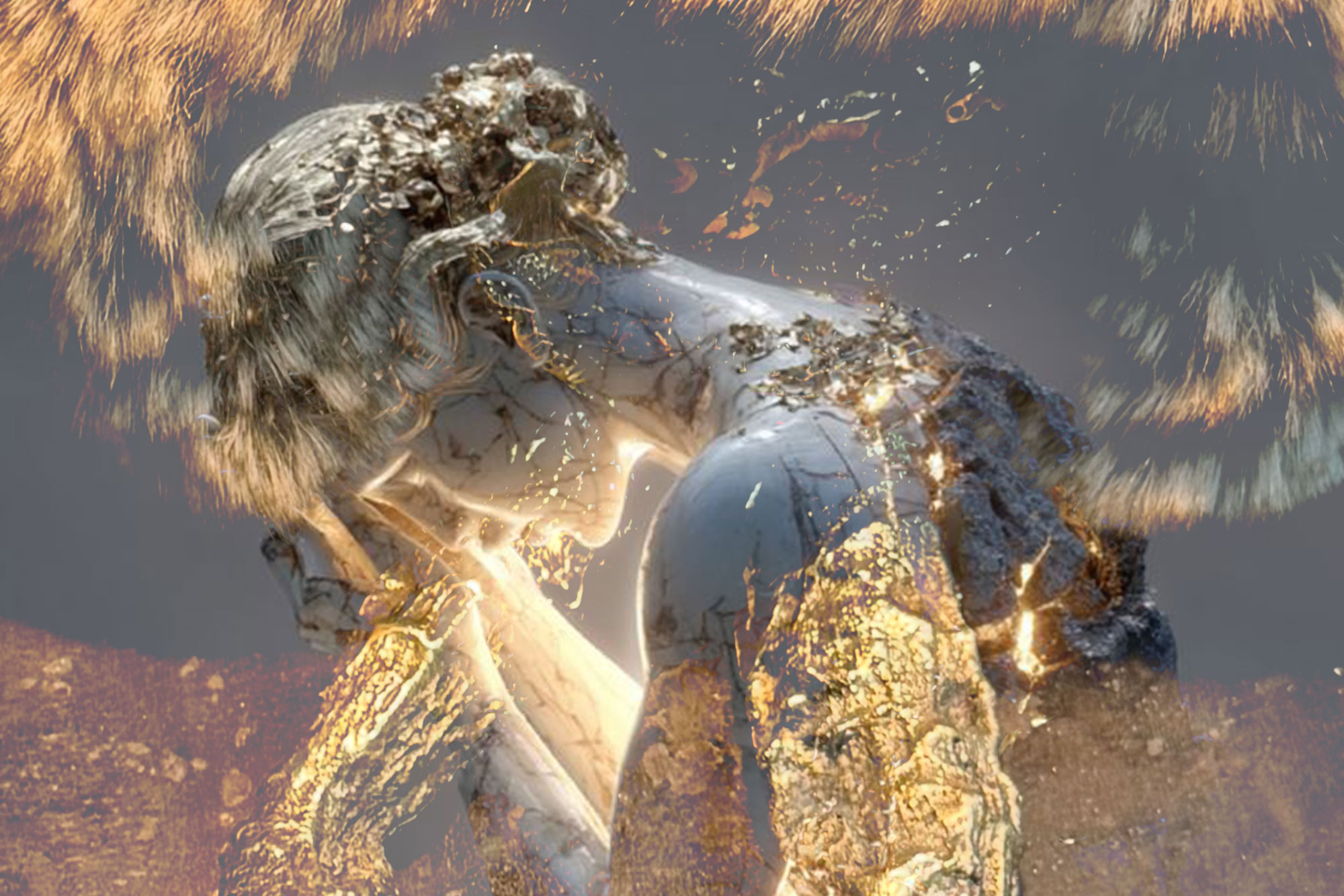
This journey was never meant to be loud. It was meant to be endured.
For everyone to see now, it began in profound loneliness—years of isolation held gently by the mountains of northern Italy. A place where time slows, where silence is not empty but alive, and where joy and solitude coexist without conflict. Those mountains were not just a backdrop; they were companions. They taught patience. They taught listening. They taught how to be still without disappearing.
There was tranquility in the simplest rituals. Walking the mountain paths with my dog—my constant, my witness, the only presence that never questioned, never judged, never left. Side by side, we moved through fields and stone paths, wrapped in a serenity that seemed to spiral around us both. In those moments, nothing was demanded. Nothing had to be proven. There was only breath, movement, and companionship.
I would stop and stare upward—into the sunlight as it filtered through the clouds, dissolving edges and softening thought. Beyond the clouds, beyond form, creativity would reveal itself quietly. Not as an idea forced into being, but as something uncovered, as if it had always been there, waiting for the right stillness to be seen.
That was where fascination took root. Fascination with where we come from, with origin, with the divine nature embedded within our philosophers and thinkers throughout time. Thoughts layered upon thoughts. Questions without urgency. A sense that consciousness itself was gently observing us in return.
And always present—like a weight and a balance upon the shoulders—were the masculine and feminine energies. Not in opposition, but in constant dialogue. Strength and softness. Logic and intuition. Fire and calm. They stood there silently, witnessing, waiting, guiding without interference. Allowing the journey to unfold rather than directing it.
In that solitude, creativity was not a choice—it was a response. A reaction to beauty, silence, pain, joy, and the vastness of existence itself. It was there, in the mountains, in the quiet companionship of a loyal soul, in the shifting light of the sky, that the foundations were laid. Not for recognition, but for truth.
This is not a story of escape.
It is a story of return.
Return to simplicity.
Return to awareness.
Return to the understanding that creation is born when we allow ourselves to be alone long enough to listen.
And now, shared openly, this journey stands not as something completed, but as an invitation—for others to remember their own still places, their own silent guides, their own moments where creativity waits patiently to be noticed.
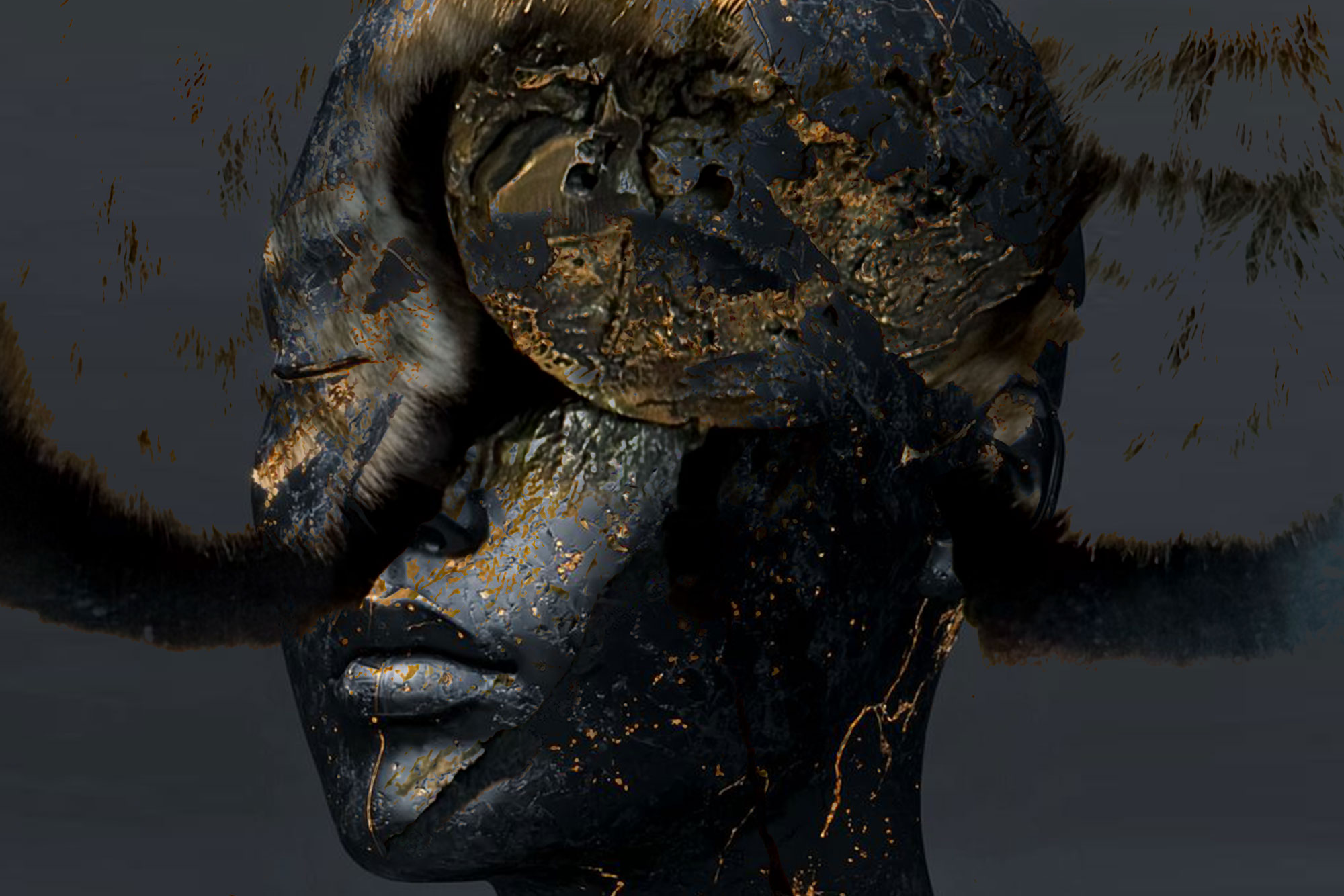
The art of Mark Piazza is not something you pass by. It is something that asks for your attention, your time, your care. It carries its own presence—quiet, patient, alive—and it meets you only when you are willing to meet it halfway.
Brass, by its very nature, is a living material. It breathes with the environment. When newly formed, it holds a unique radiance—warm, luminous, almost golden—an unmistakable shine that feels awake. Yet over time, gently and without resistance, that surface begins to change. Not decay, but transformation. Slowly, over weeks and months, it softens, deepens, and matures.
This dulling is not a loss. It is a season.
Like the sunset as it sinks and dissolves into richer tones, like the sun itself lowering and casting longer shadows, brass reflects the passage of time. The luster becomes deeper, quieter, more contemplative. Nature does this constantly—leaves fall, metals patinate, light shifts. The artwork participates in this same rhythm, calmly changing alongside you.
And then comes the ritual. Just three or four minutes a month. Nothing more.
A simple act of polishing—hands engaging with surface, presence returning to form. In those few moments, the brass awakens again. The light returns. The warmth resurfaces. It is not forced; it is invited. In restoring the luster, you are not correcting the art—you are communing with it.
This is where the relationship forms.
The artwork becomes a companion.
It responds to care.
It reflects attention.
It remains alive because you acknowledge it.
In nurturing its surface, you are reminded of something deeper: that beauty is not static, that care sustains value, and that presence—even brief, intentional presence—keeps things meaningful. The art does not demand perfection. It asks only to be remembered.
This is the philosophy of Mark Piazza.
Not art as object—but art as relationship.
Not permanence without effort—but beauty maintained through gratitude and touch.
You keep it alive. And in return, it keeps something alive in you.
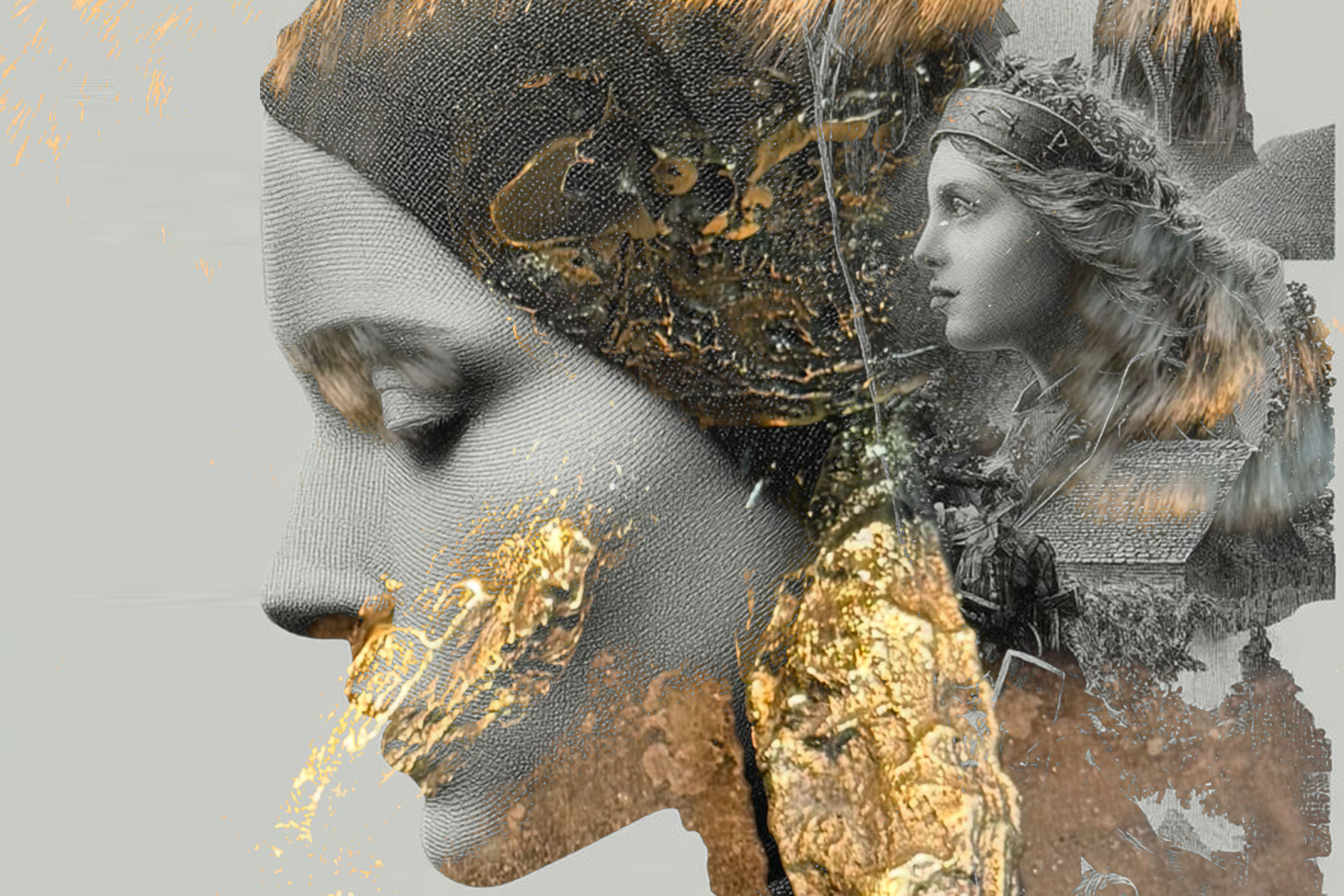
Yes—those are the most beautiful classical romantic orchestras in the world, without question. Venetian, Italian, eternal. They carry centuries of breath, devotion, and human longing within every note. When they rise, you are not merely hearing music—you are entering an inheritance.
Brass is at the heart of this magic. The angel’s trumpet, radiant and commanding, forged in brass, speaks with a voice that feels older than time. Its sound does not simply travel through air; it cuts through consciousness, vibrating somewhere deep behind the chest and eyes. It is no coincidence that celestial imagery has always been paired with trumpets—brass has a way of sounding both divine and human at once, like a bridge between heaven and earth.
Look closely and listen carefully. Even among the violins—graceful, wooden, refined—you will find brass quietly present. In the fittings, the strings, the fastenings, the unseen details that hold tension and harmony together. The wind instruments—horns, trombones, trumpets—are shaped entirely in brass, curved like living forms, breathing with the musician. They are not cold instruments; they are lungs of metal, inhaling human breath and exhaling sound that feels angelic, monumental, and intimate all at once.
Remembering that art is alive.
That sound is sculpture in time.
That brass, like gold, like light, has always been waiting—for your ears, your stillness, your attention—to absorb its beautiful essence.
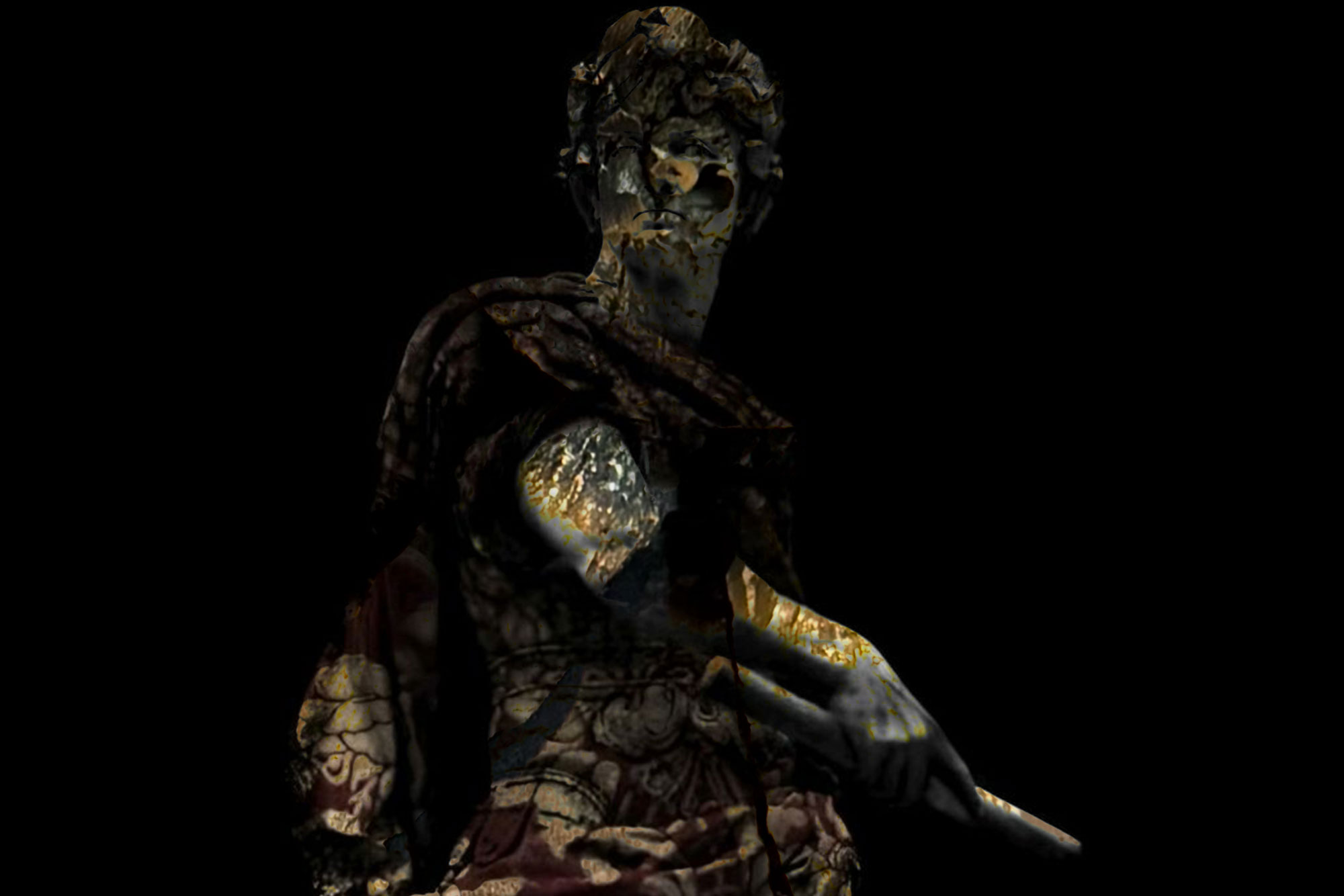
The wires entwined within these instruments are held in place by gorgeous medieval woods—woods aged slowly, reverently, chosen not only for strength but for soul. This union of brass and wood is ancient. Metal and tree. Fire and growth. Masculine force and feminine resonance. Together, they create balance, tension, release. Inside the brass instruments, movement is constant—valves opening, slides shifting, air swirling through chambers polished smooth by time and touch. These internal movements are unseen, yet they are where the miracle lives. The sound bends and blooms within those curves, gathering warmth, depth, authority. When released, it becomes pure emotion.
When an orchestra plays, something extraordinary happens. The brass does not dominate—it elevates. It lifts the strings. It anchors the rhythm. It announces joy, grief, victory, sorrow. The beating pulses of sound feel like heartbeats echoing across centuries. Each vibration connects you not only to the music, but to every soul that has ever listened before you. This is the art of the arts.
It is why we feel transported when Venetian orchestras play. Why tears arrive without explanation. Why silence afterward feels sacred. The brass carries memory. It holds breath from generations past. It channels something angelic—not perfection, but truth.
And in that moment, as sound flows over brass and wood, as vibrations settle into your body, you are not just listening. You are remembering.